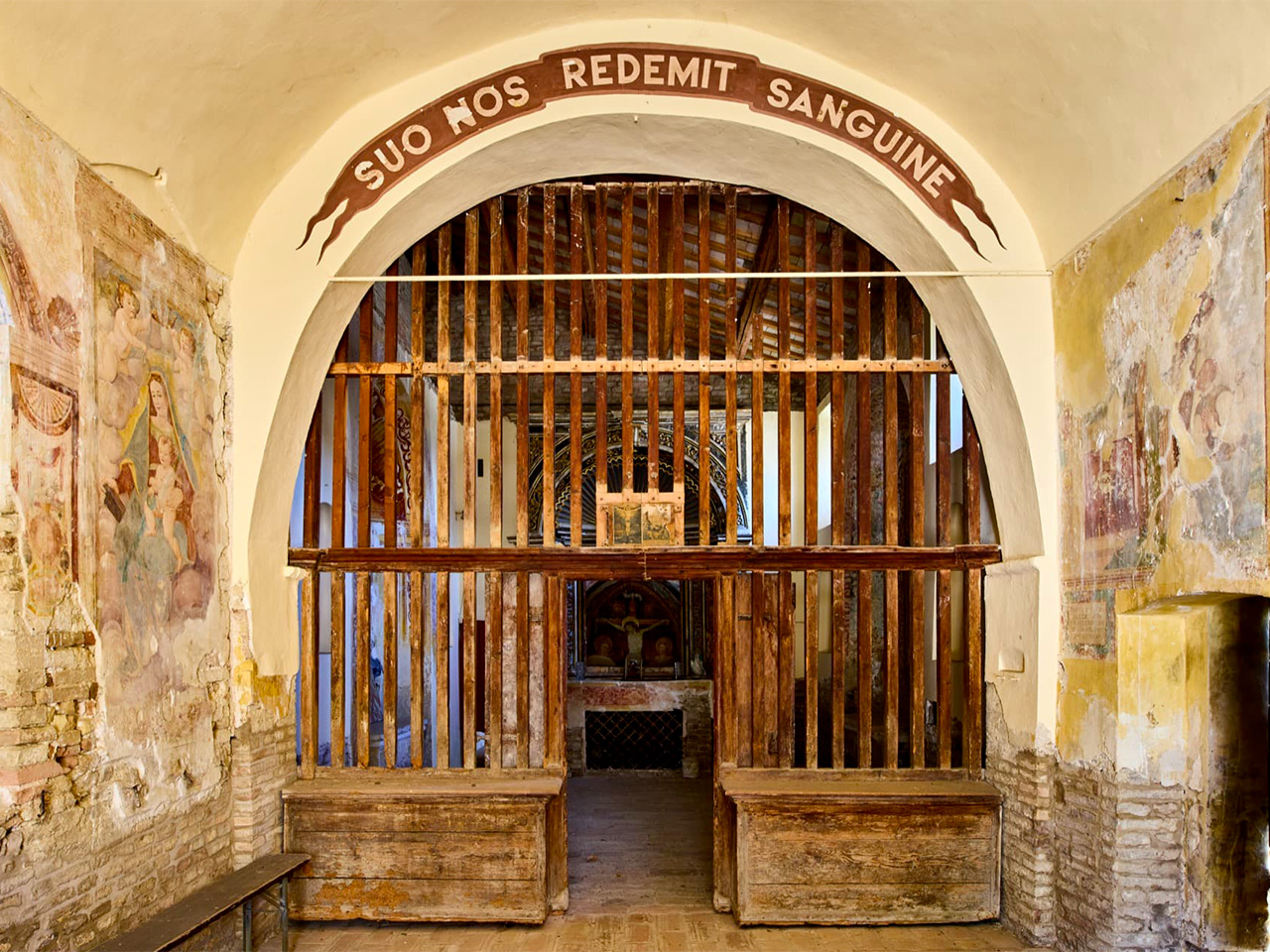

A comprehensive city tour taking in all of Ostra Vetere’s main attractions.
Stage 1
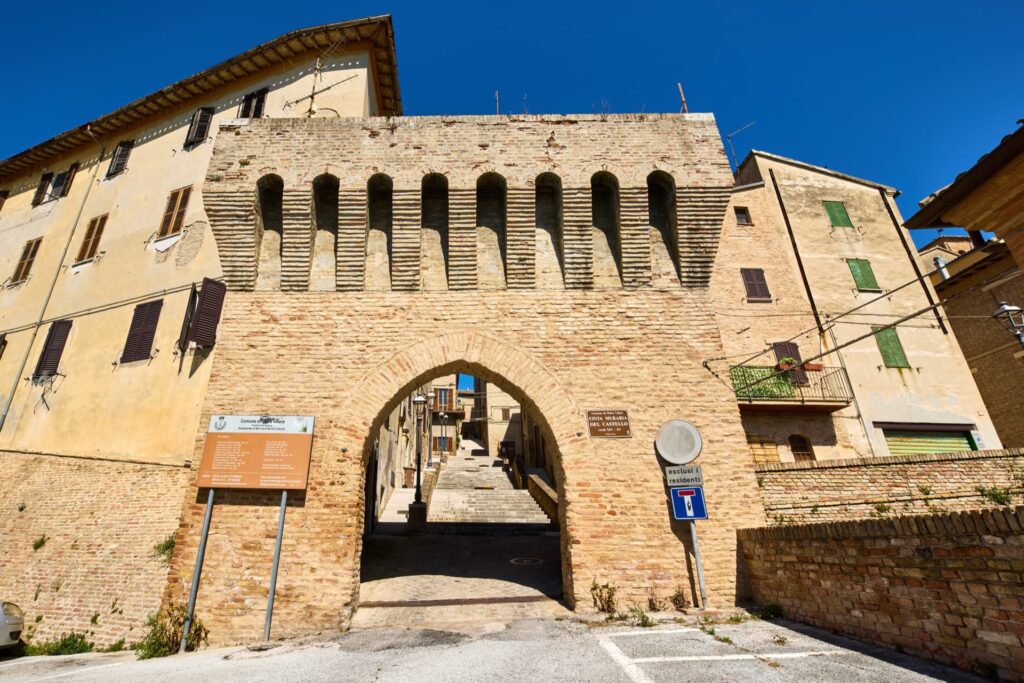
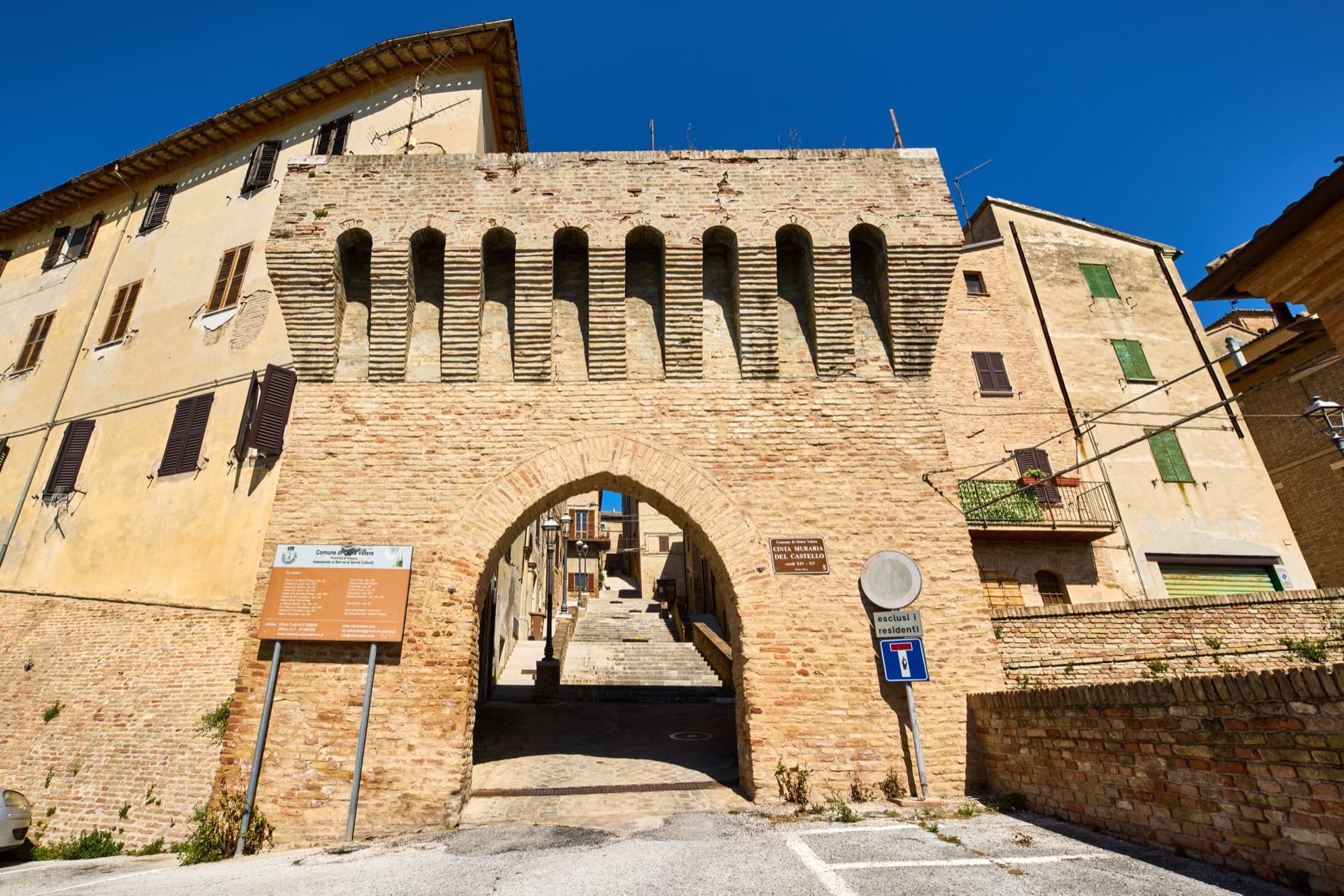
Porta Pesa
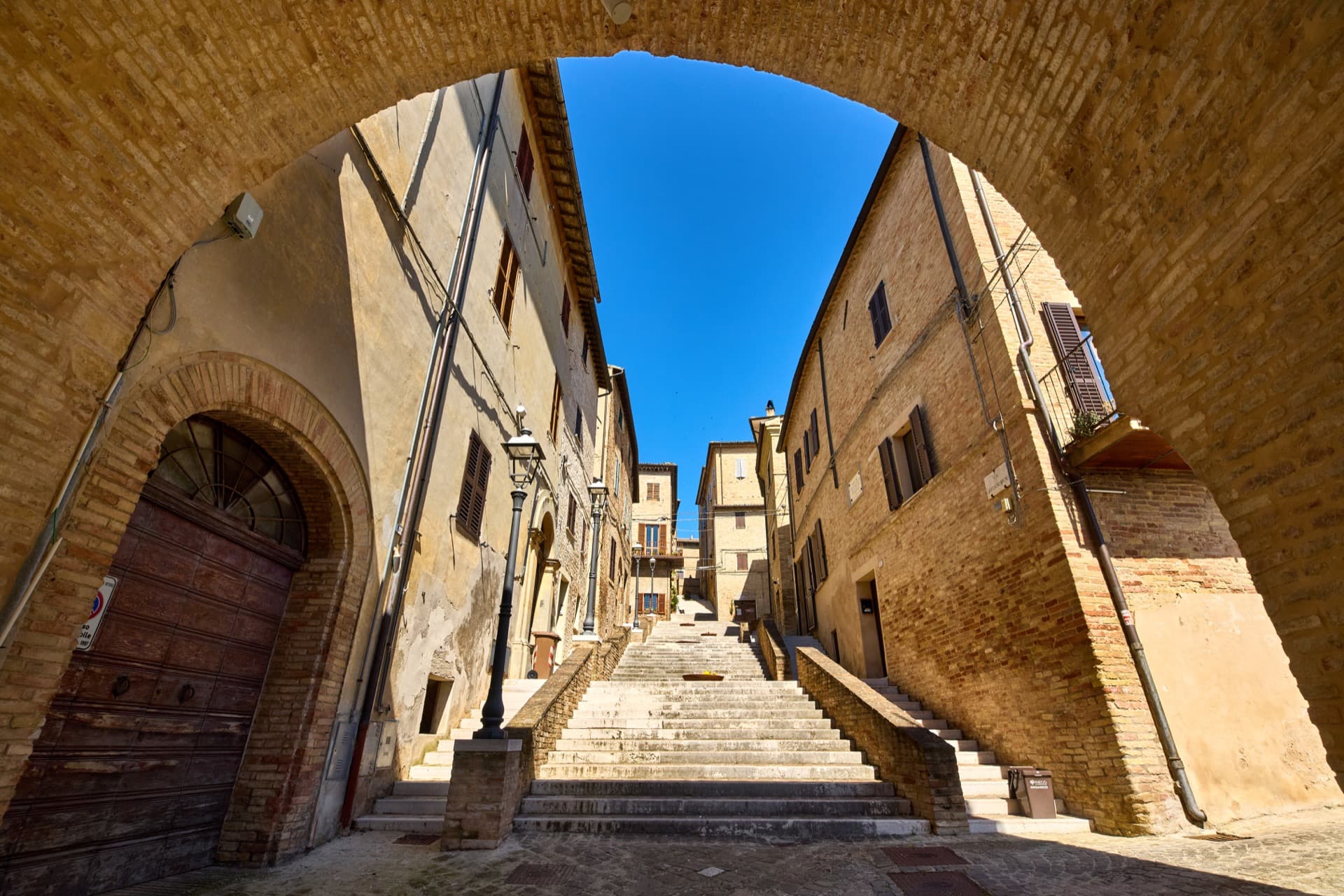
At the entrance to Porta Pesa, you’ll find a flight of steps leading up to the old town.
Stage 2
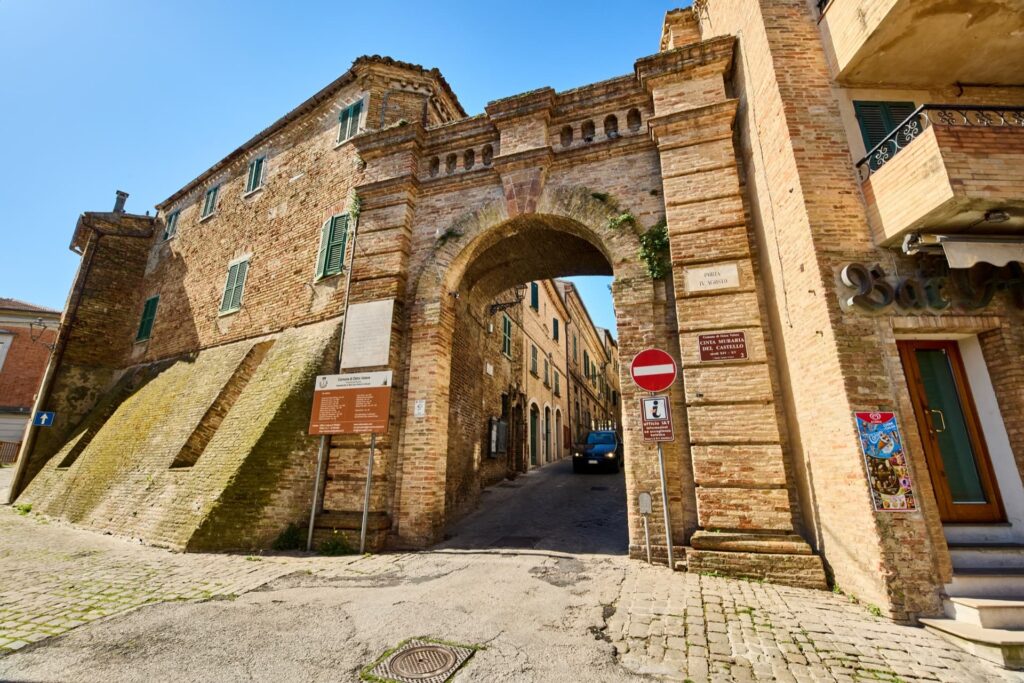
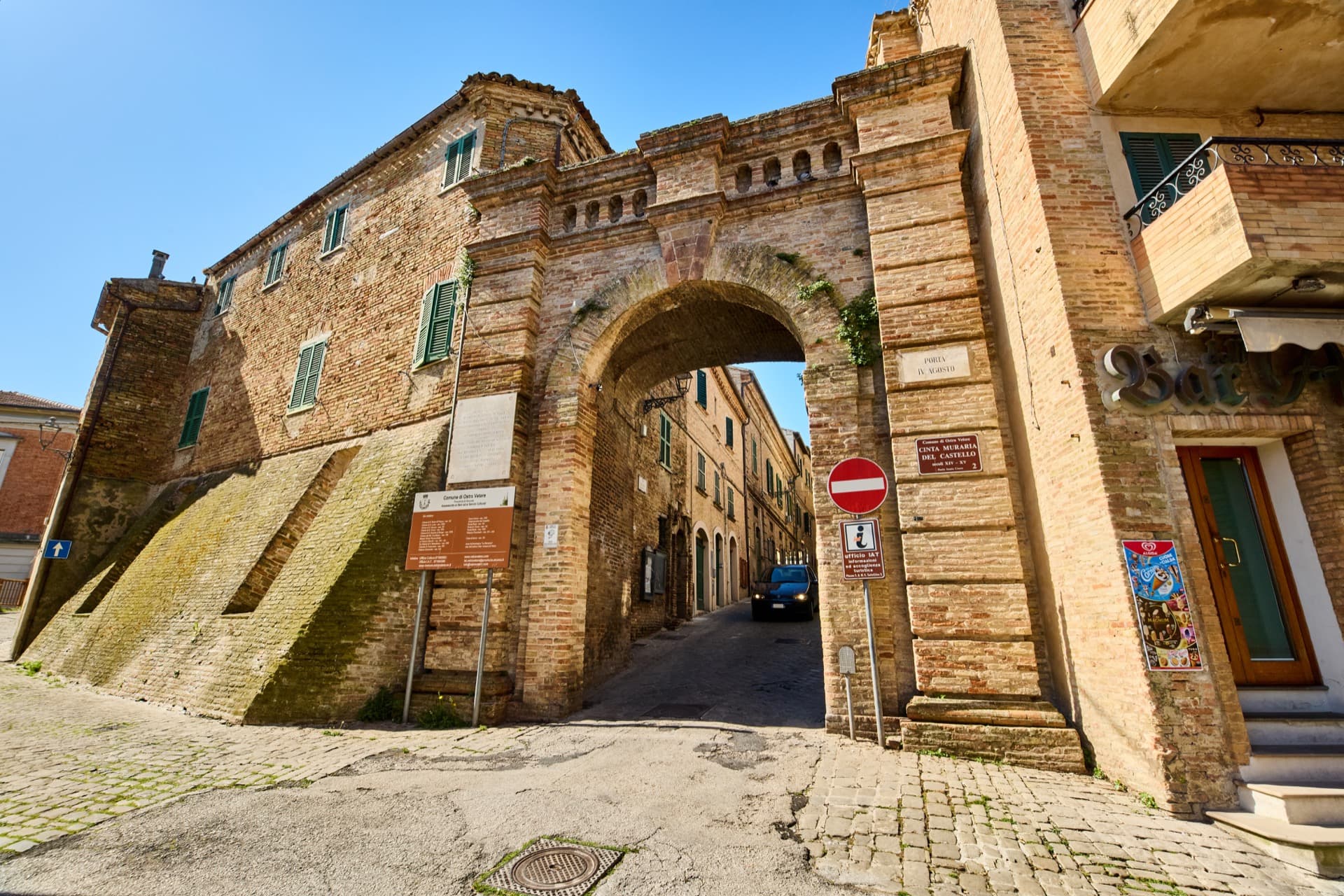
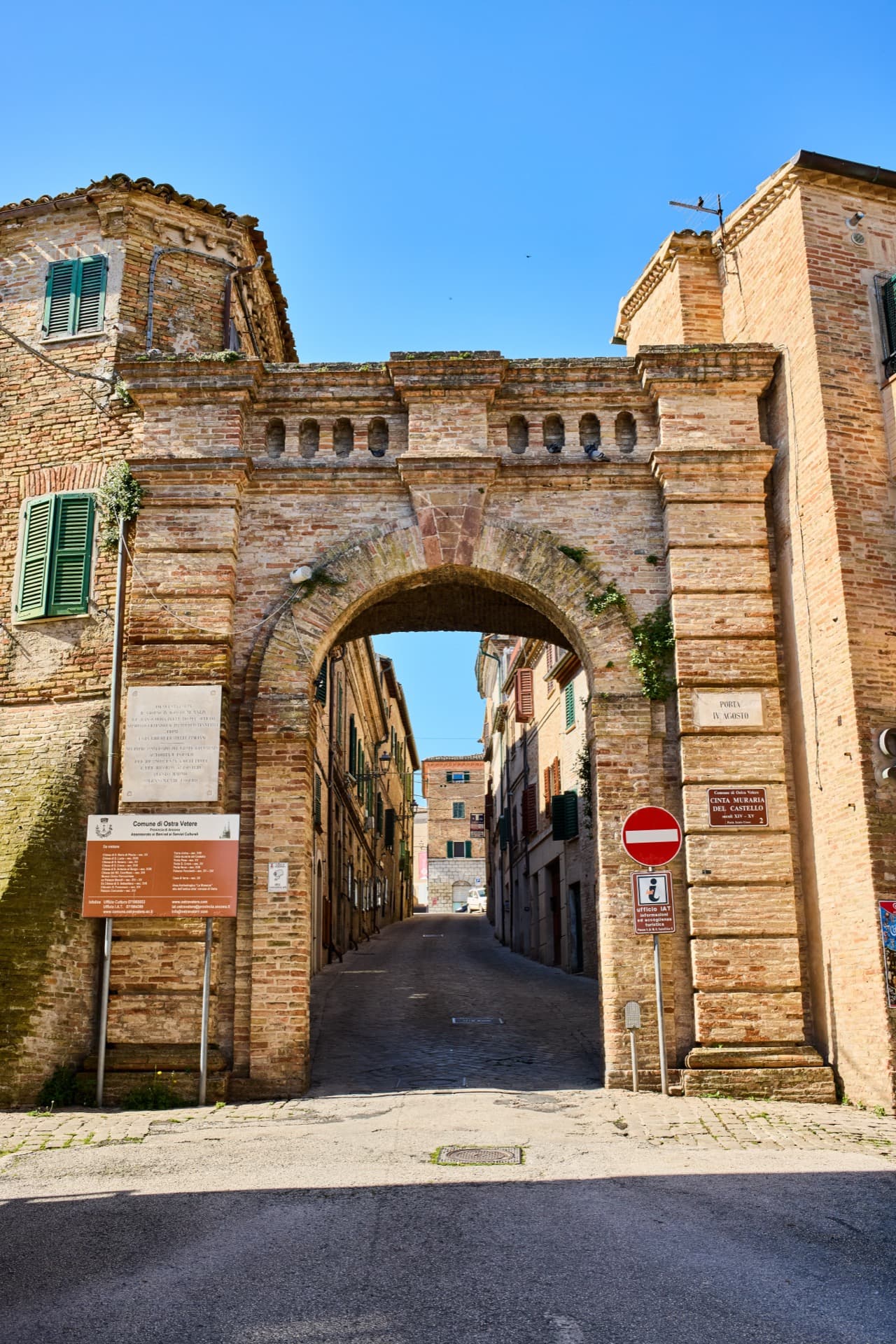
Porta IV Agosto
At the entrance to Porta Pesa, you’ll find a short uphill slope that leads you up to the old town.
Stage 3
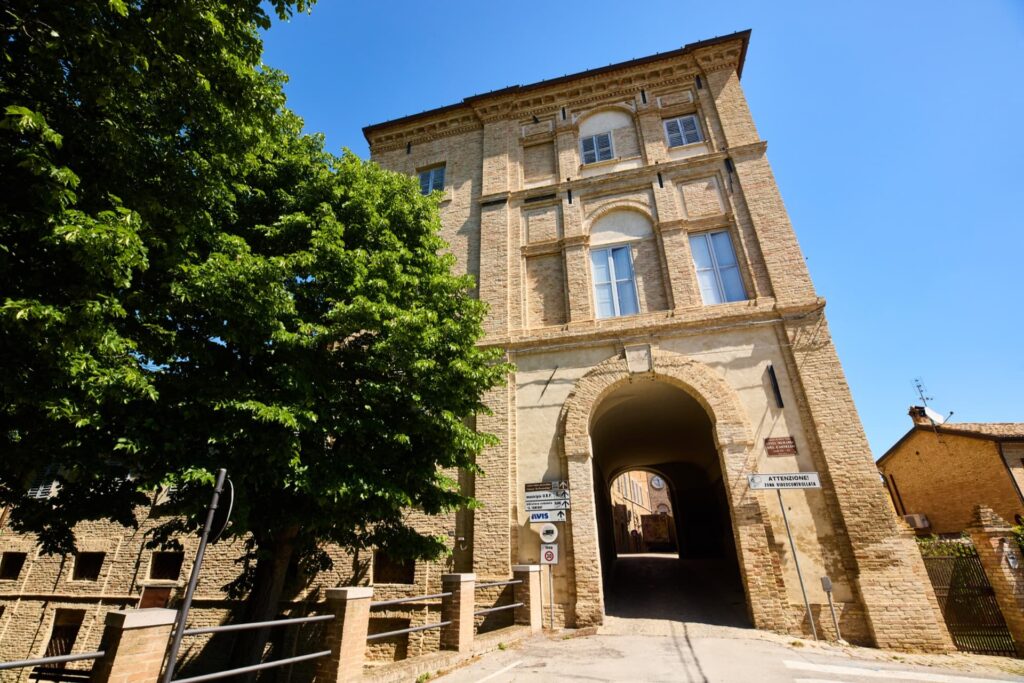
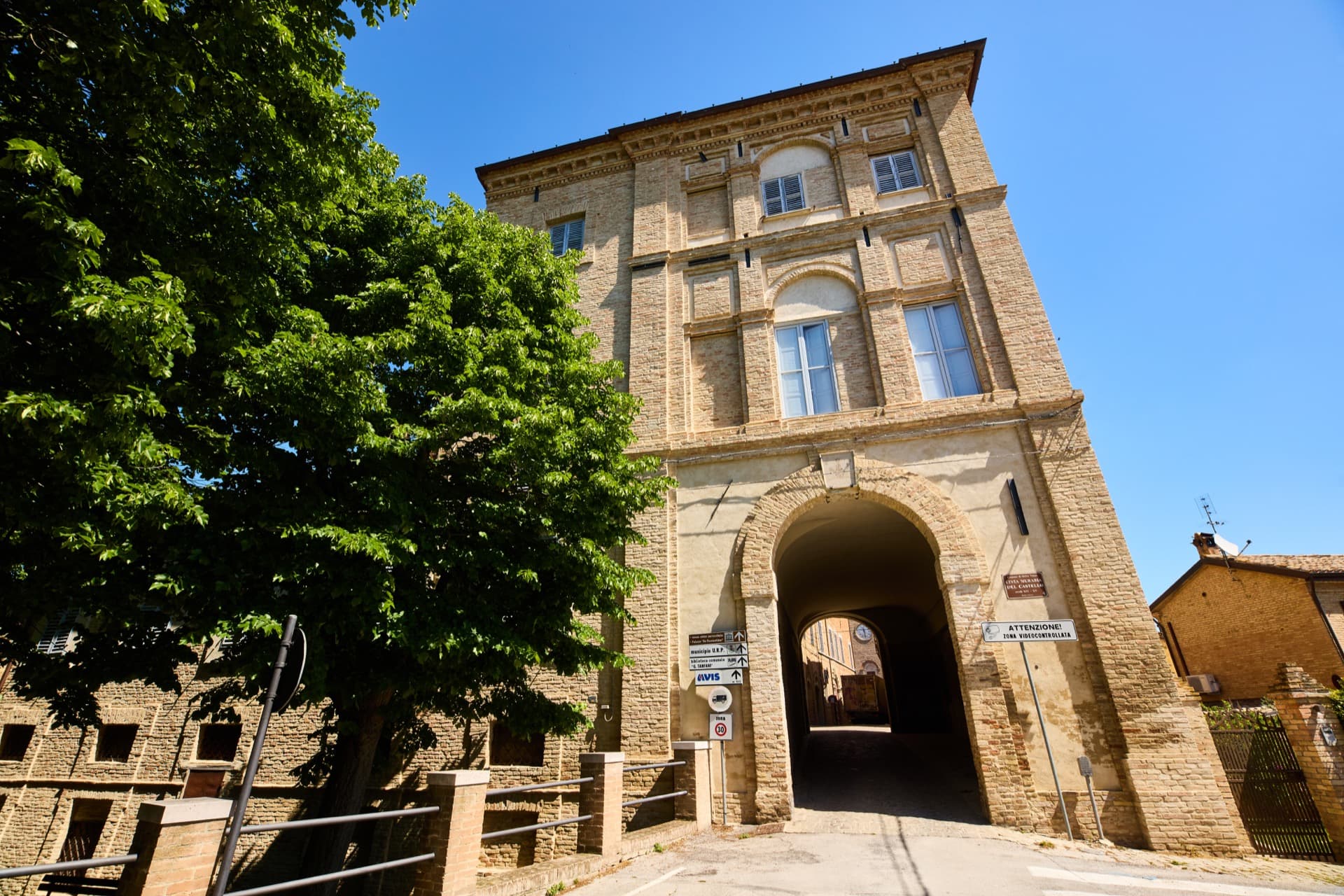
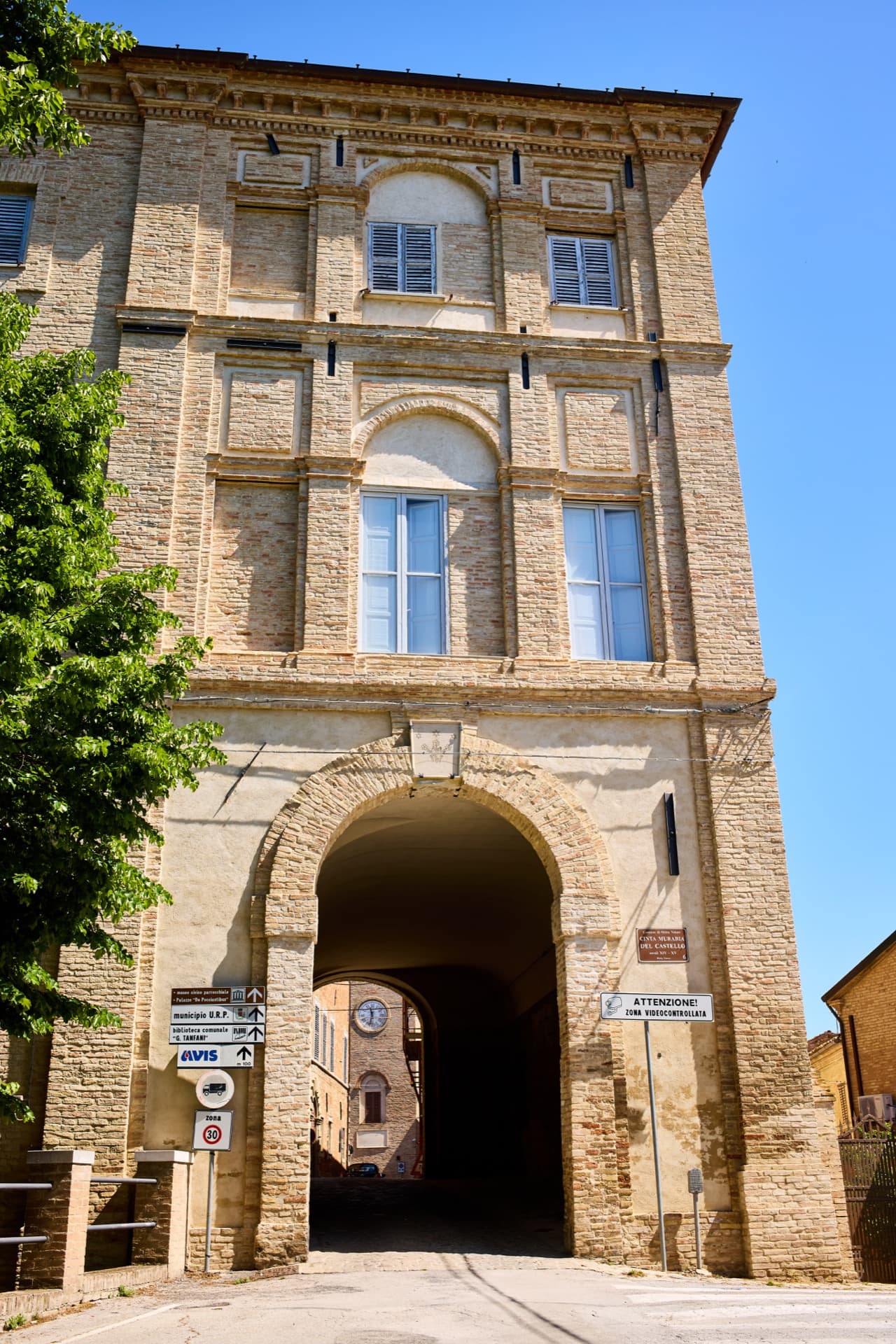
Porta Nuova
This entrance was opened in the 17th century at the request of the Buti family, and lies beneath the stately residence which likely replaced an ancient ‘pusterla’ opposite Porta Santa Croce.
Stage 4
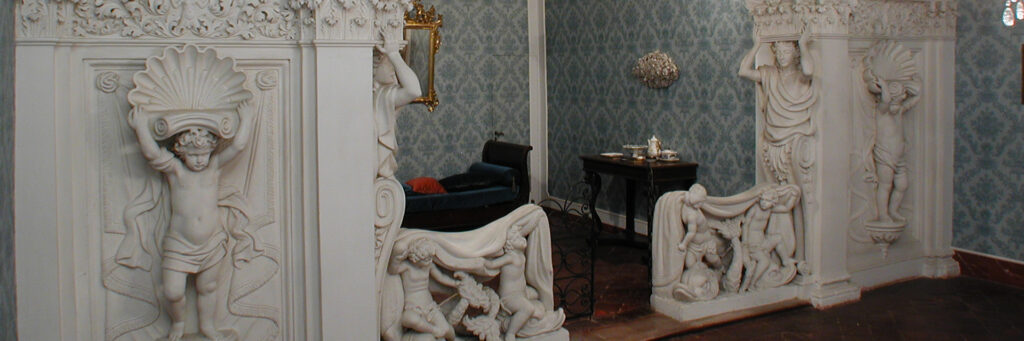
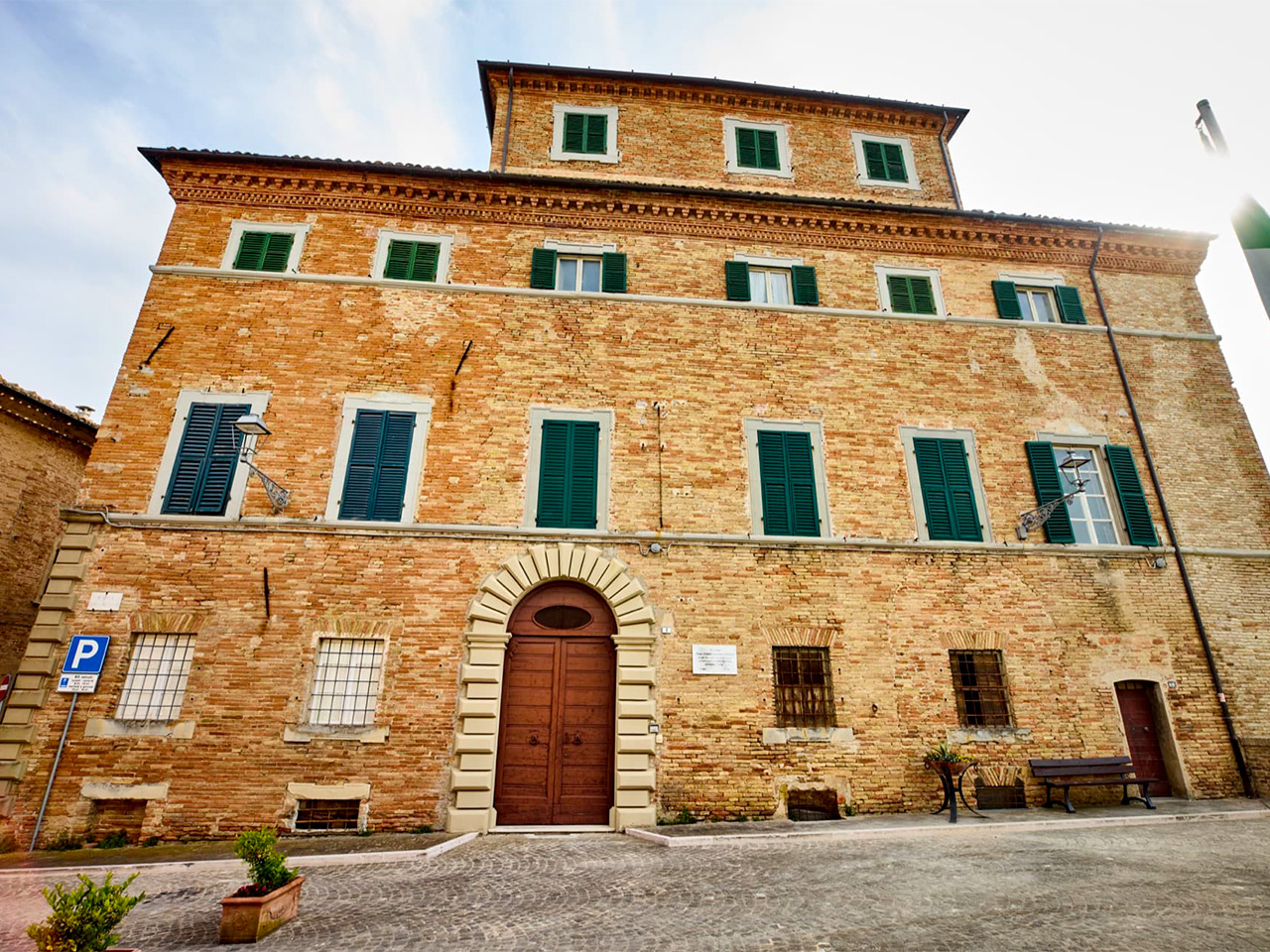
Buti Palace
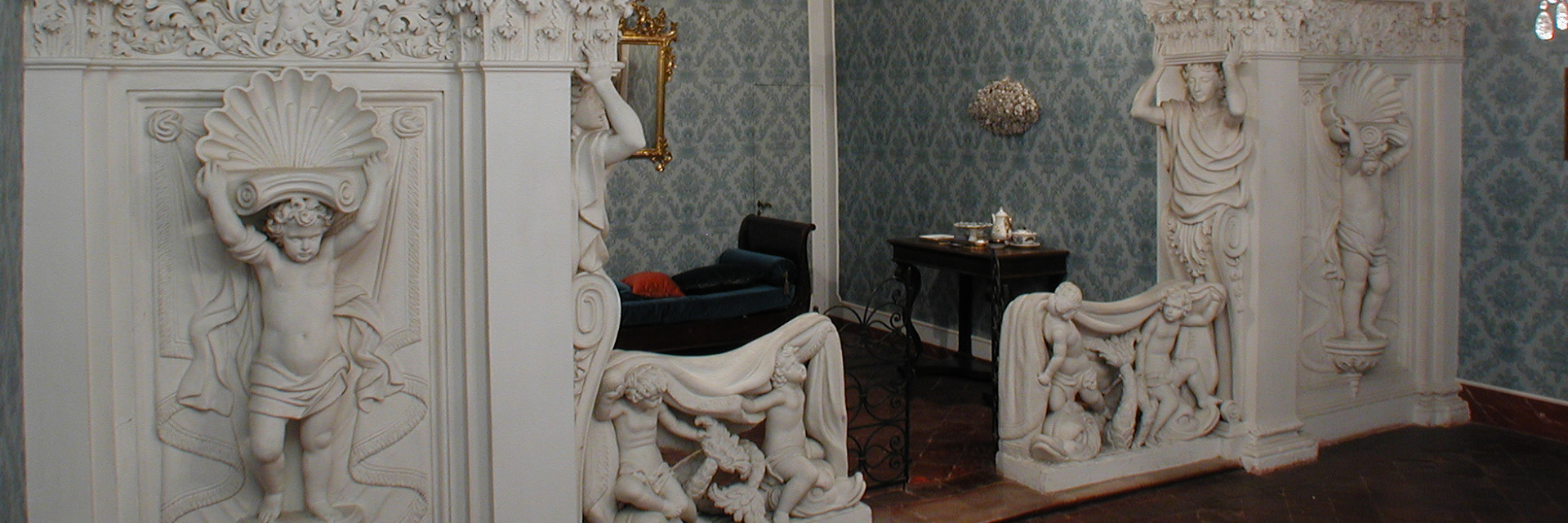
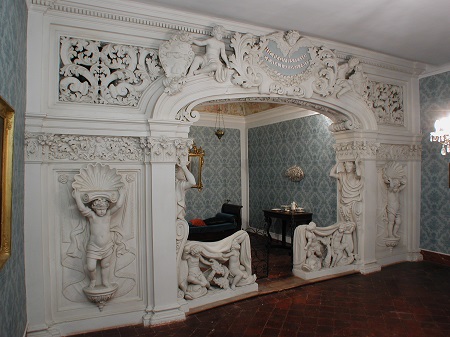
Located above Porta Nuova, it houses an extraordinary gem: a sculptural group attributed to the Palermo-born artist Giacomo Serpotta (c. 1650–1732), which covers an entire wall of the bedroom and forms an integral part of a former alcove
Stage 5
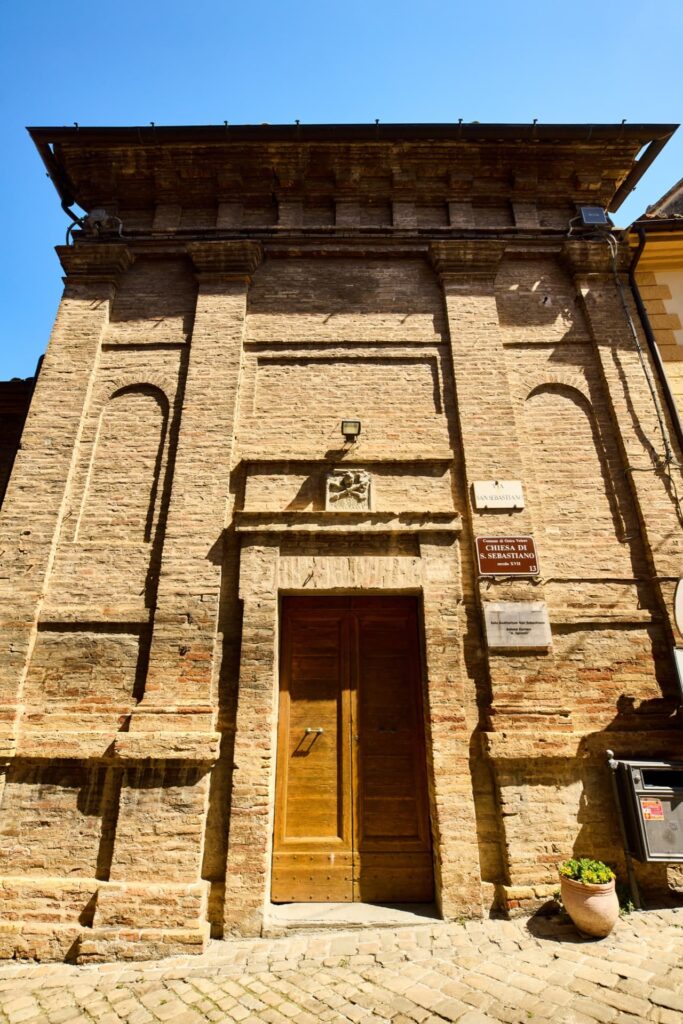
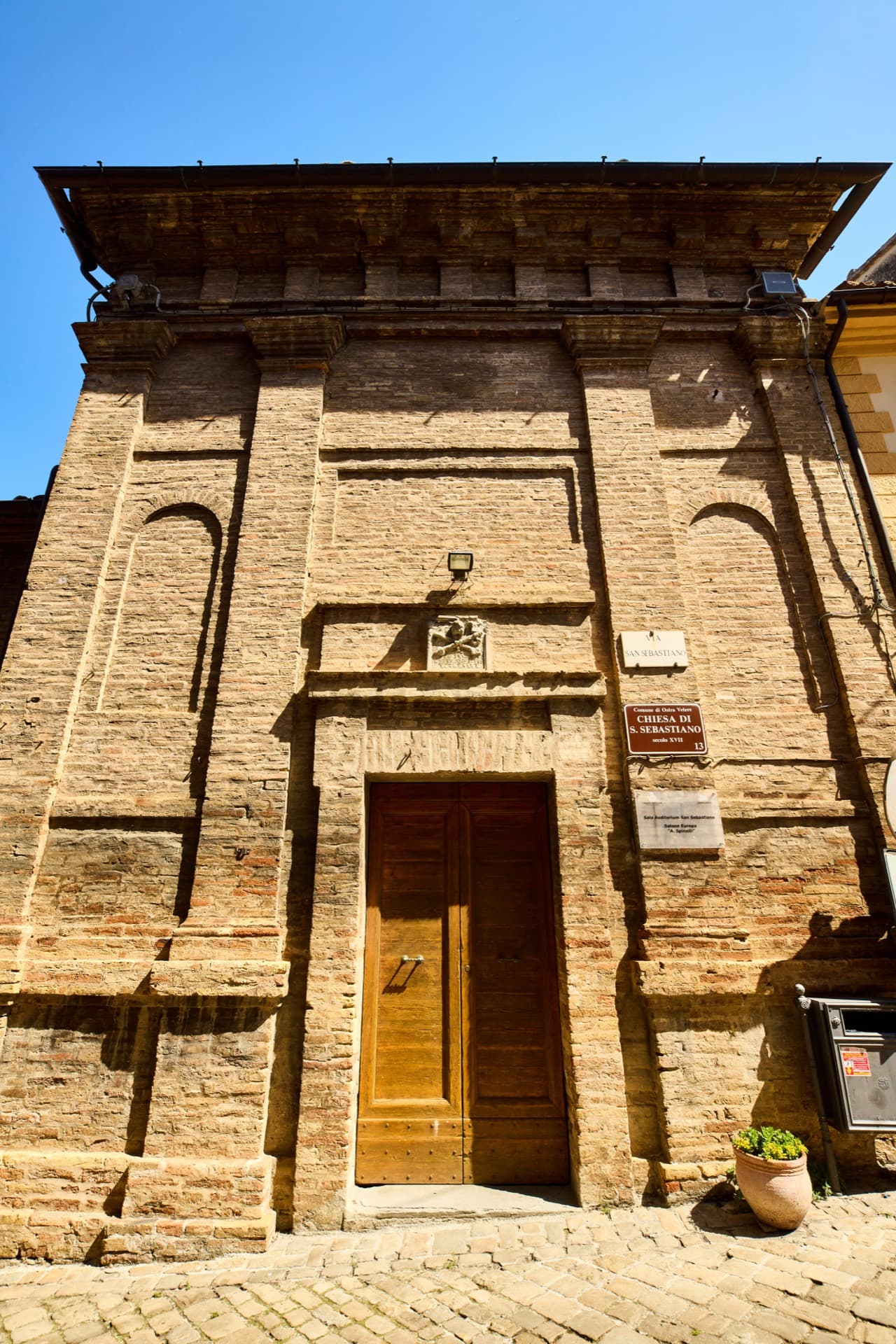
Church of San Sebastiano
Now converted into a hall and auditorium, the church of San Sebastiano retains the layout of the reconstruction carried out between 1699 and the early 18th century by Don Ottavio Monti on the existing church building, which was in a state of disrepair at the time.

Stage 6
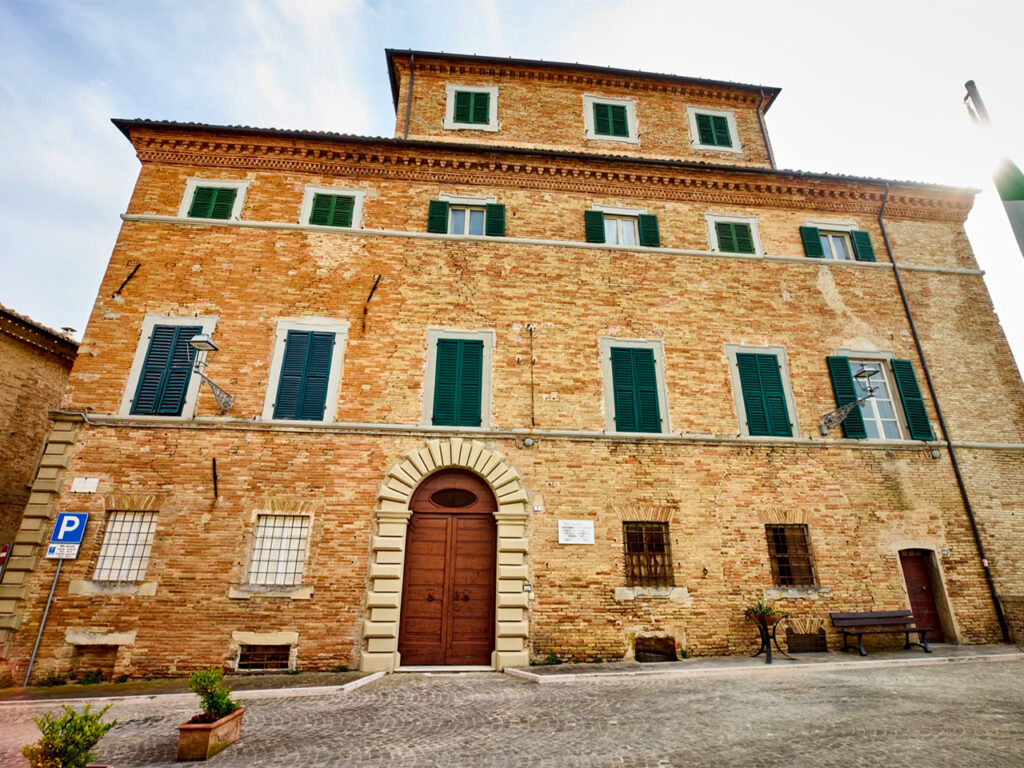
Franceschini Palace
The most striking feature, which makes the building unique, is the extraordinarily beautiful sculptural group that covers an entire wall of the bedroom and forms an integral part of a former alcove.

Stage 7
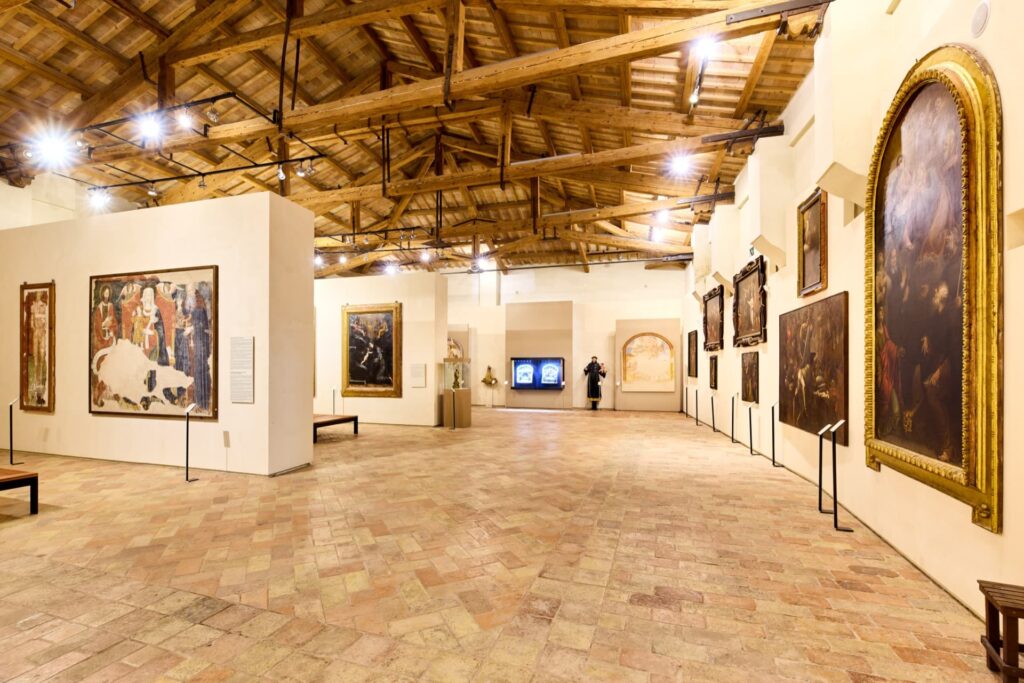
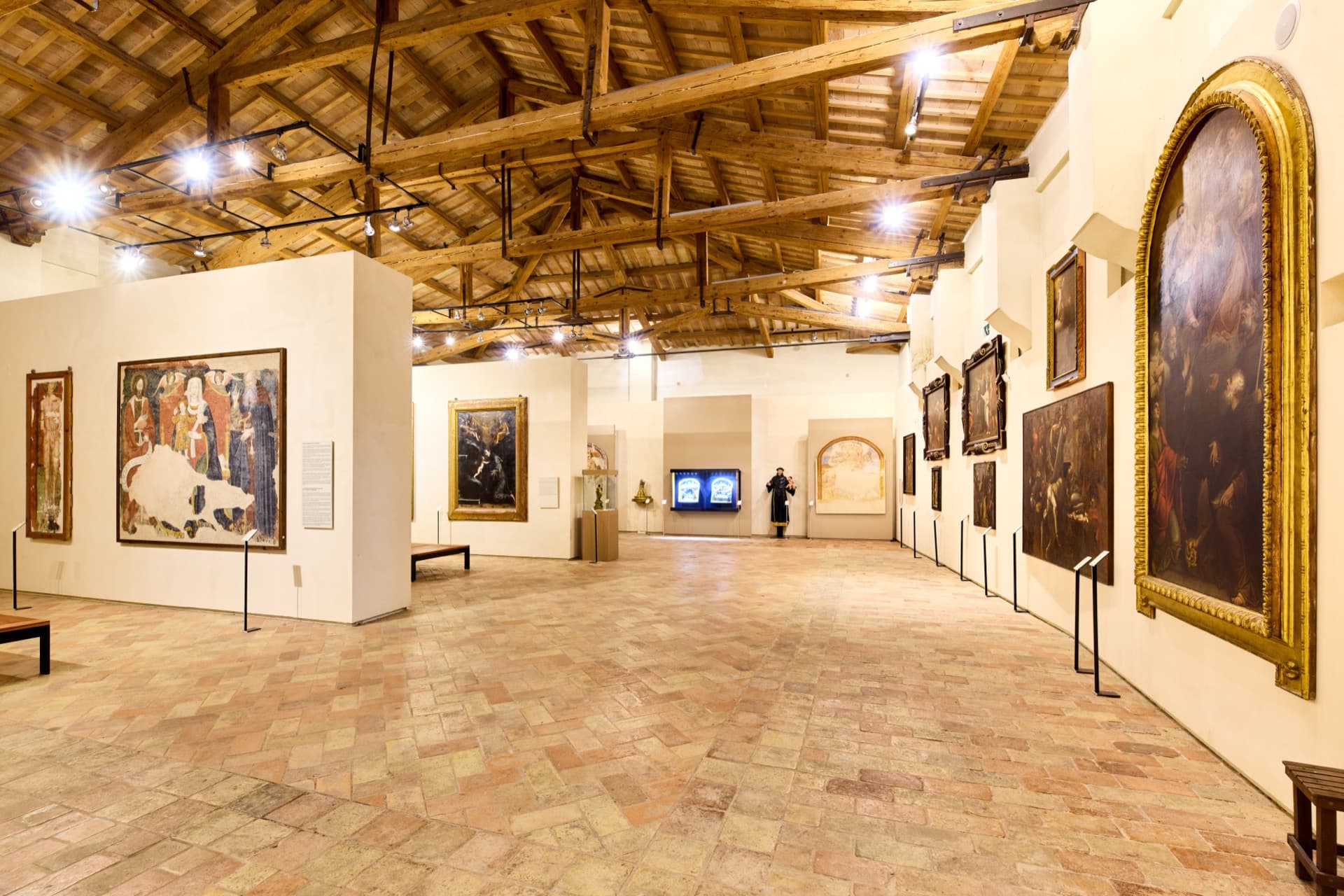
Museum Center Terra di Montenovo
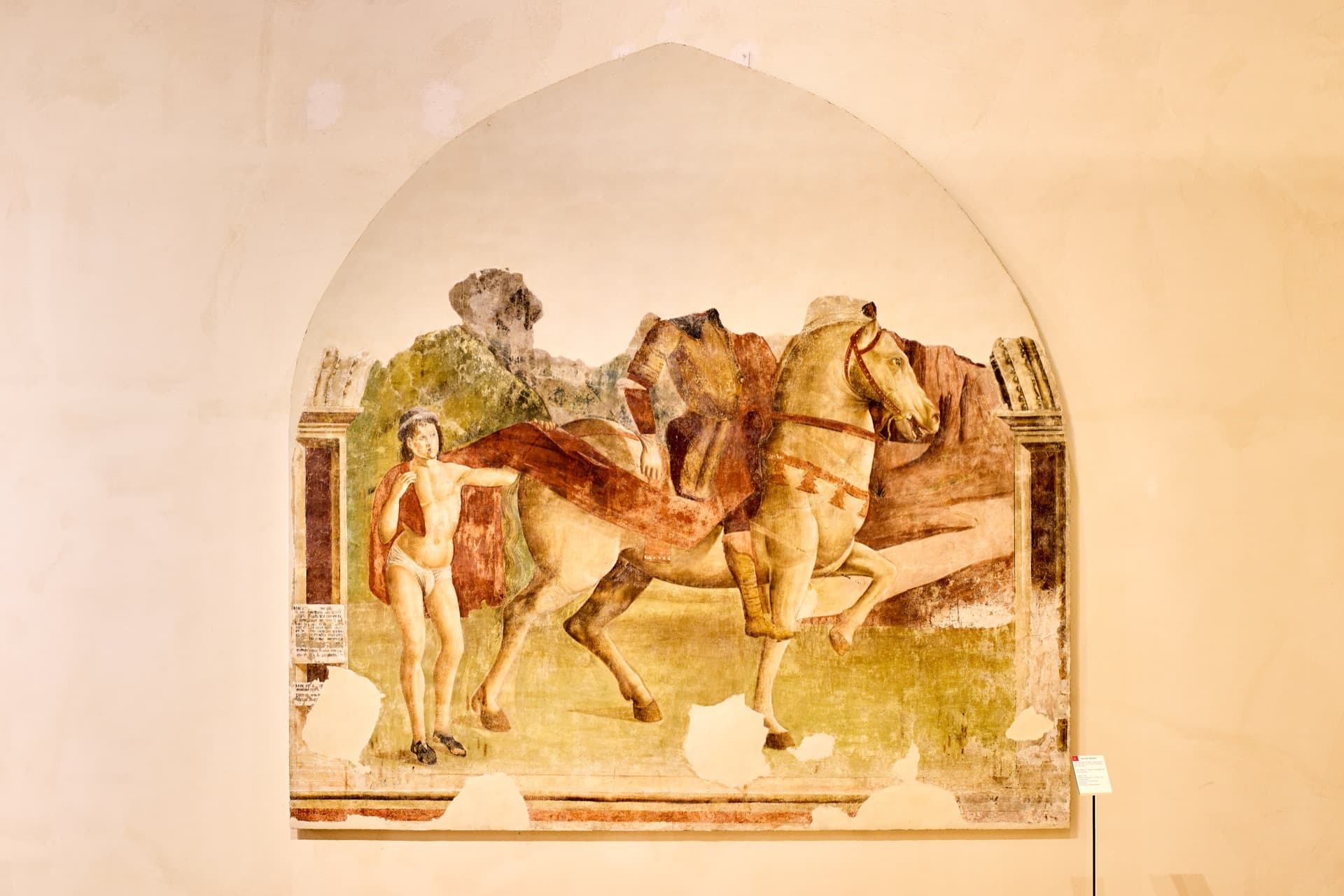
Formerly a monastery of the Poor Clares, it passed into the ownership of the Marulli family, who turned it into the headquarters of their farm. Purchased by the local council, Palazzo Marulli is now home to the “Terra di Montenovo Museum Complex” and houses valuable works of art, artefacts from the Roman town of Ostra, and the Marulli Farm Collection
Stage 8
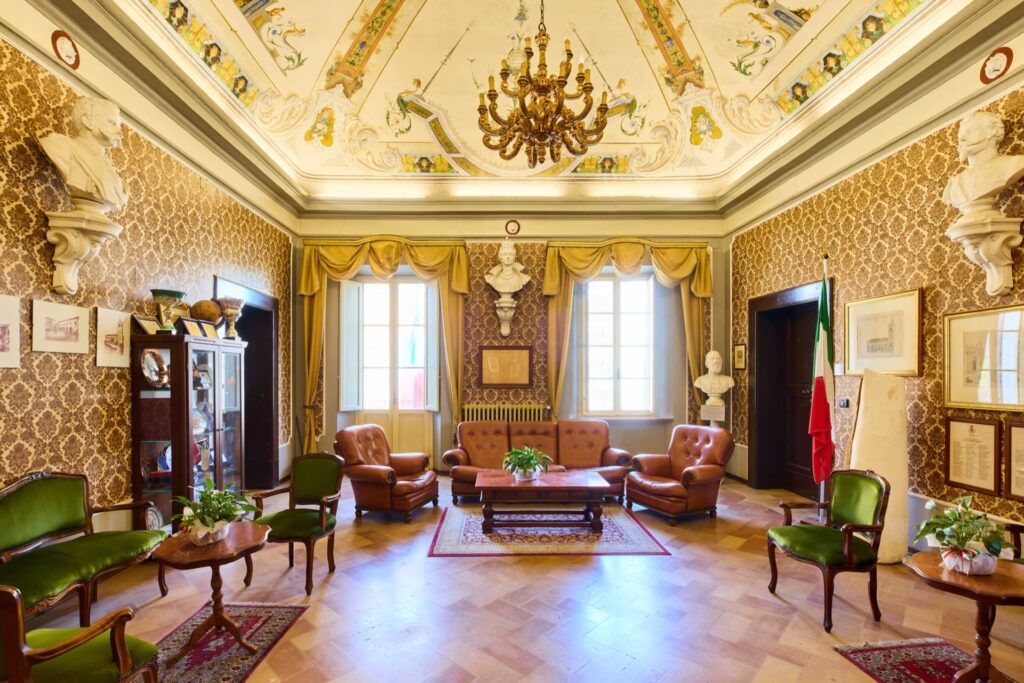
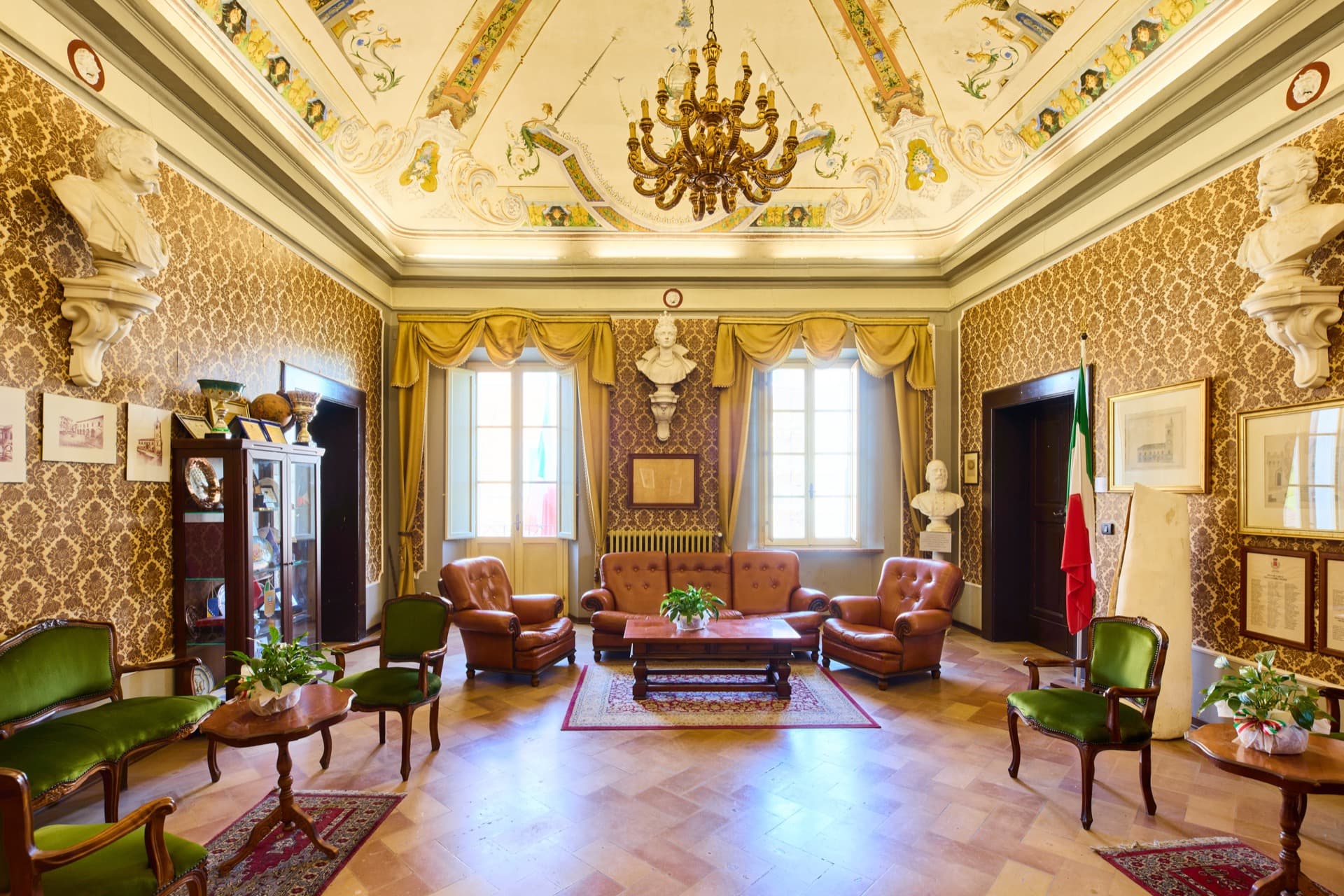
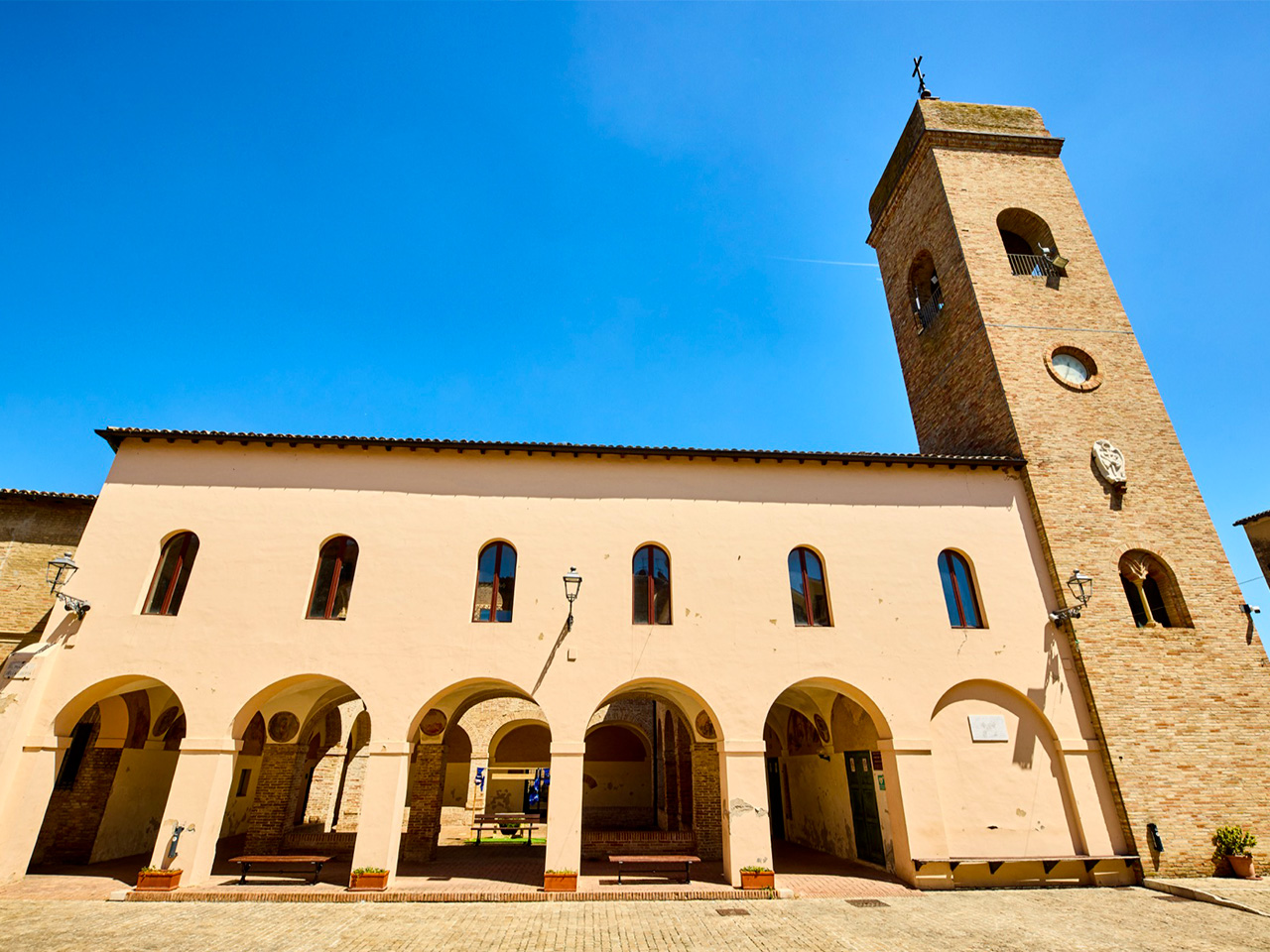
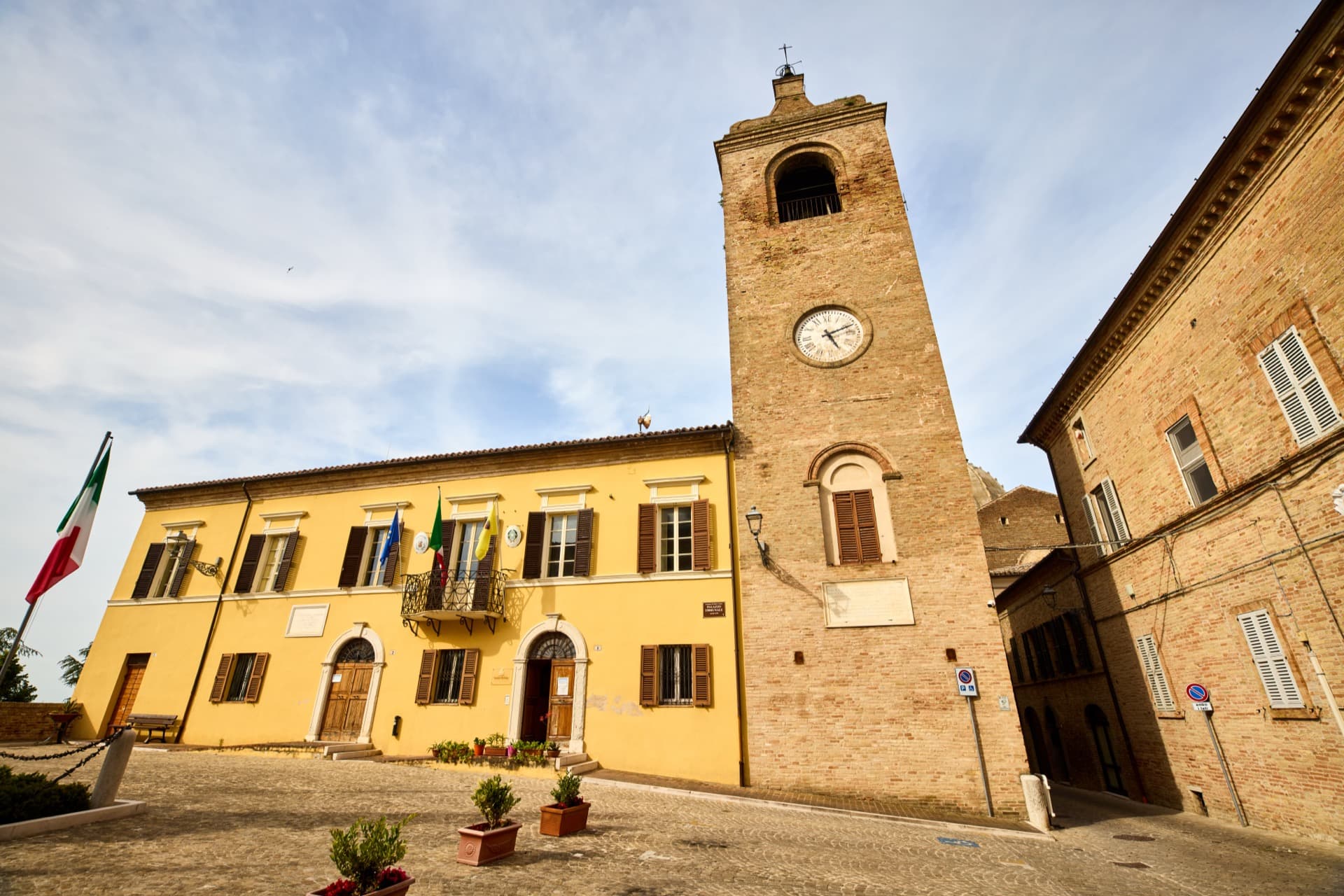
Civic Tower and Town Hall
Situated on high ground, the building took on its present form in the 17th century, although it underwent significant alterations in the 19th and 20th centuries. The town tower dates back to 1569 and still houses a bell from 1643
Stage 9
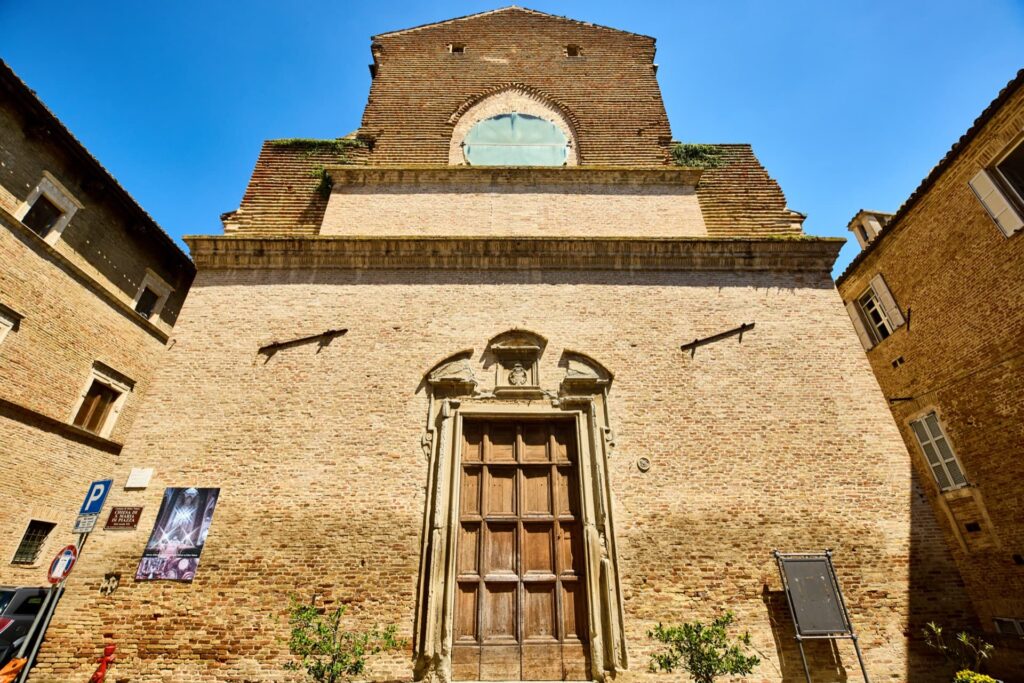
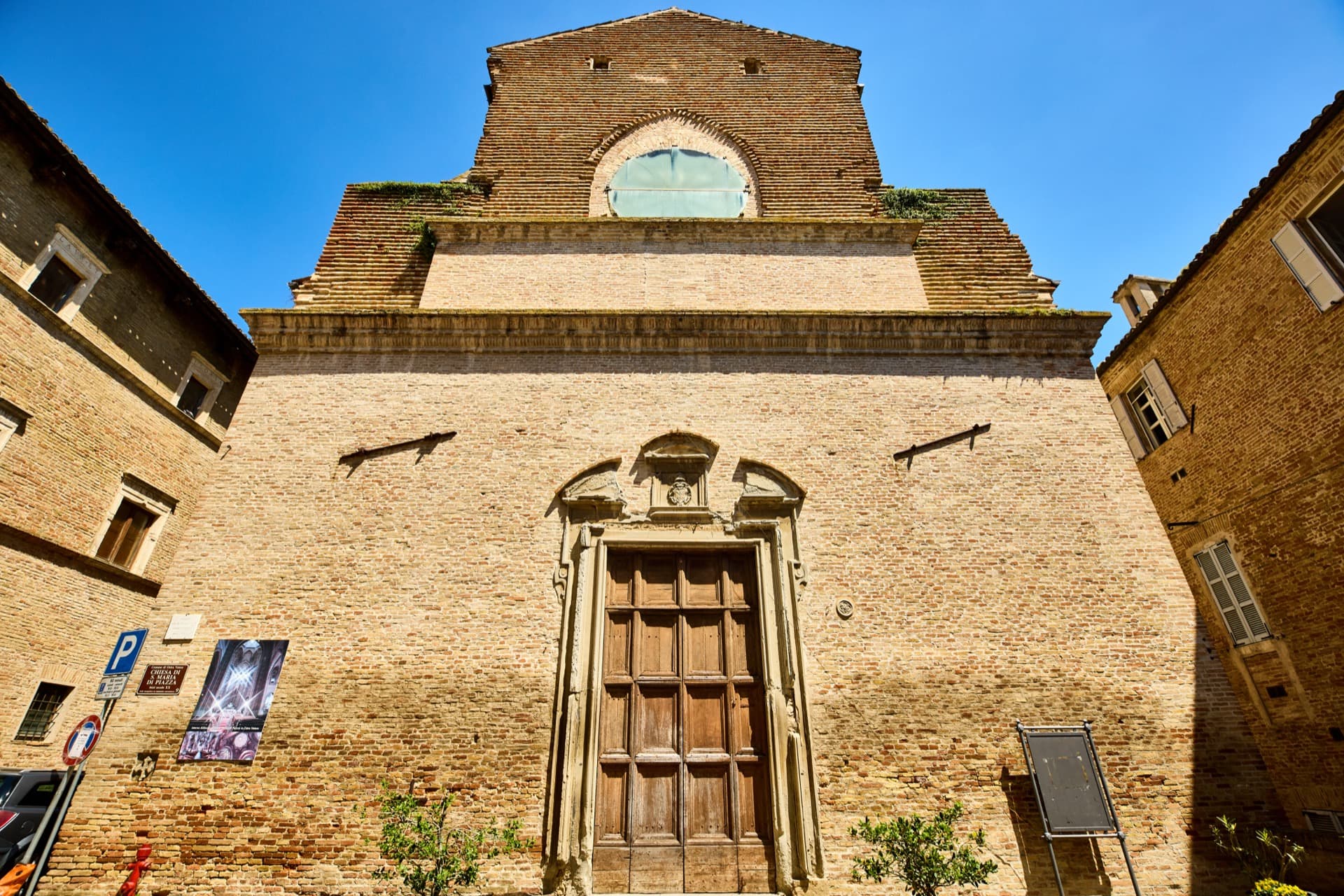
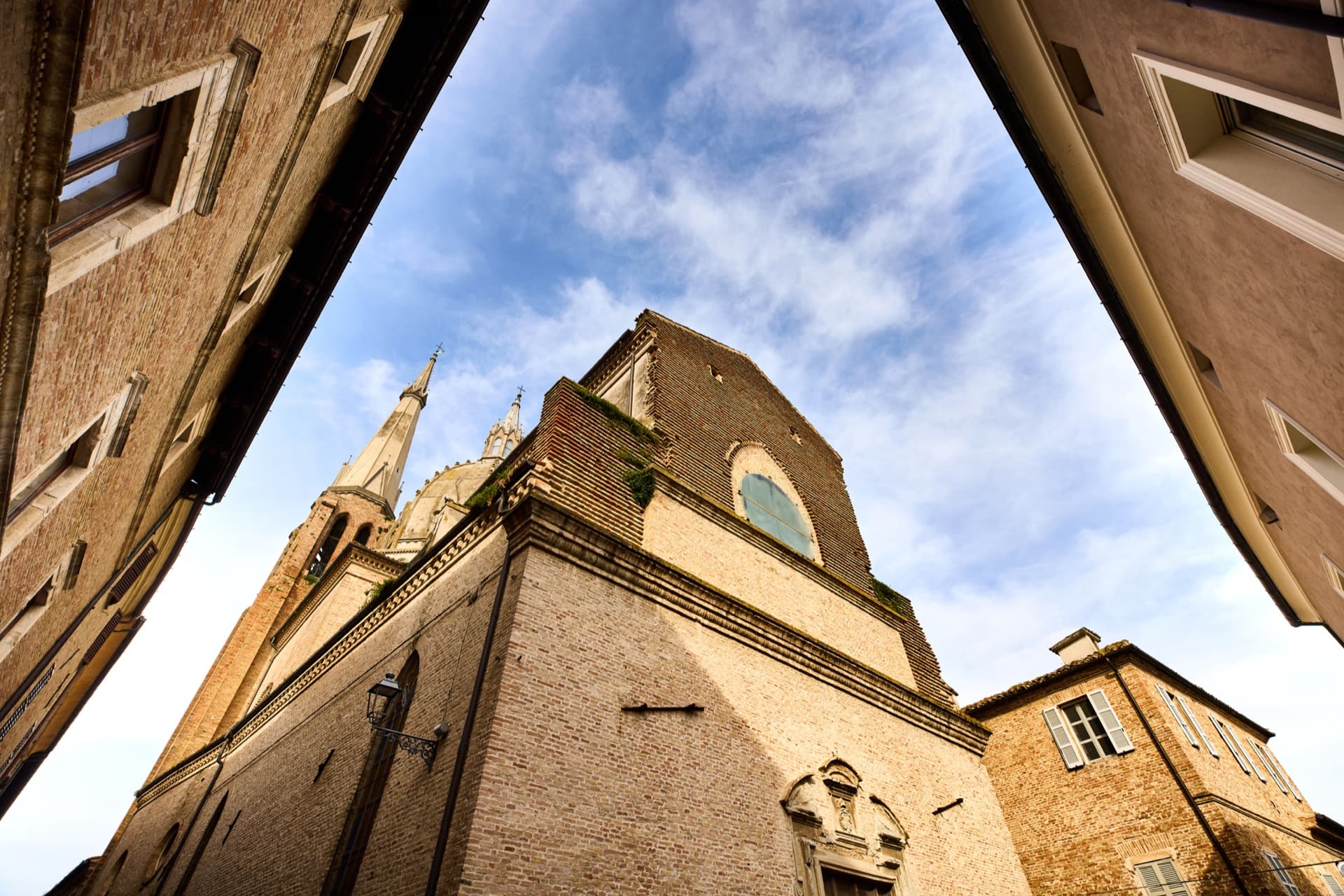
Church of Santa Maria di Piazza
The Church of Santa Maria di Piazza, rebuilt in the Neo-Gothic style in the early 20th century to a design by the Bolognese architect Giovanni Gualandi, houses a 17th-century painting attributed to Girolamo Cialdieri and a fine organ by Gaetano Callido, one of the most famous organ builders of the 18th century
Stage 10
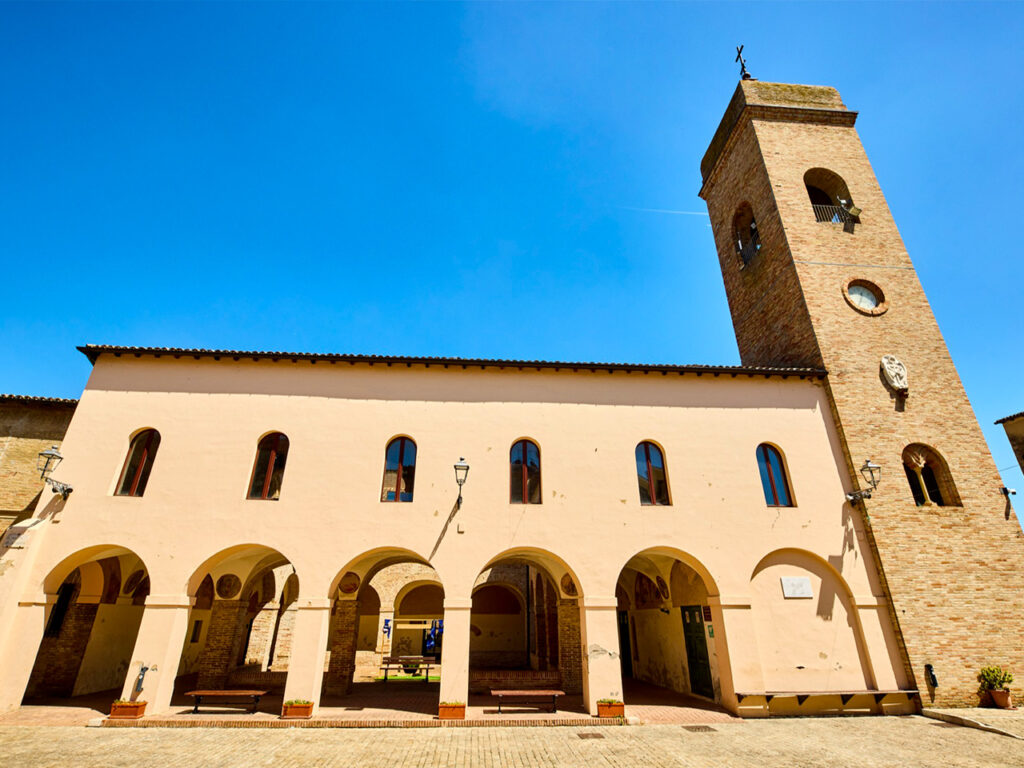
Former Convent of San Francesco al Mercatale and Square of Libertà
The San Francesco al Mercatale complex Originally situated in the heart of the town, in the ancient Piazza del Mercatale – now Piazza della Libertà – the monastic complex of San Francesco was for centuries the main religious centre of Ostra Vetere. The works of art that escaped destruction and dispersal and are now housed in the museum cover a broad chronological span stretching from the fifteenth to the eighteenth century. They are sufficient to document the special bond between the faithful and a place that, for a long time, must have evoked not only the memory of the community’s ancient origins but also examples of faith, dedication, social stability and, ultimately, cultural renewal. The Franciscan settlement of Ostra Vetere is first mentioned as early as 1292, when Pope Nicholas IV sent a precious relic of the Cross of Christ to the convent, granting it permission to confer indulgences. The first detailed descriptions of the church date back to the 17th century. Originally a two-nave building, it underwent a radical restoration in 1635. ‘In our day,’ as sources from the period recall, ‘the said church was reduced to a single nave […], transforming it from low, dark Gothic architecture into a slightly more refined and modern style.’ As evidenced by the paintings in the museum, the restoration involved the replacement of the ancient sacred images with new altarpieces, thereby making it possible both to update the iconography in line with the most illustrious models of the Baroque and Ridolfian artistic schools, and to promote and revitalise the veneration of saints belonging to the Franciscan Order. The failure to acquire significant works of art in the 18th century coincided with the monastery’s gradual decline, to the extent that, when the order to close it was issued in the following century, only four monks—the sole occupants remaining in the vast spaces of the convent complex—responded. As the monastery was included in the first measures to suppress religious orders following the unification of Italy, it was secularised in 1861, passing under the administration of the municipality, which in turn handed it over for use to the parish priest, who was permitted to keep the church open for worship. This was not, however, sufficient to ensure its upkeep; indeed, it was amidst the dispute—easily imagined—over the respective responsibilities of the owning body and the custodian that the religious building fell into sudden disrepair, leading to its closure in 1909. The final chapter in the history of this centuries-old monument unfolded between 1914 and 1915. With the Romanesque marble portal of the façade preserved – and reused in the local church of S. Severo – and part of the 15th-century frescoes removed, the church was razed to the ground to make way for the present-day square, onto which, in addition to the bell tower and the cloister, several rooms of the former monastery still overlook today.
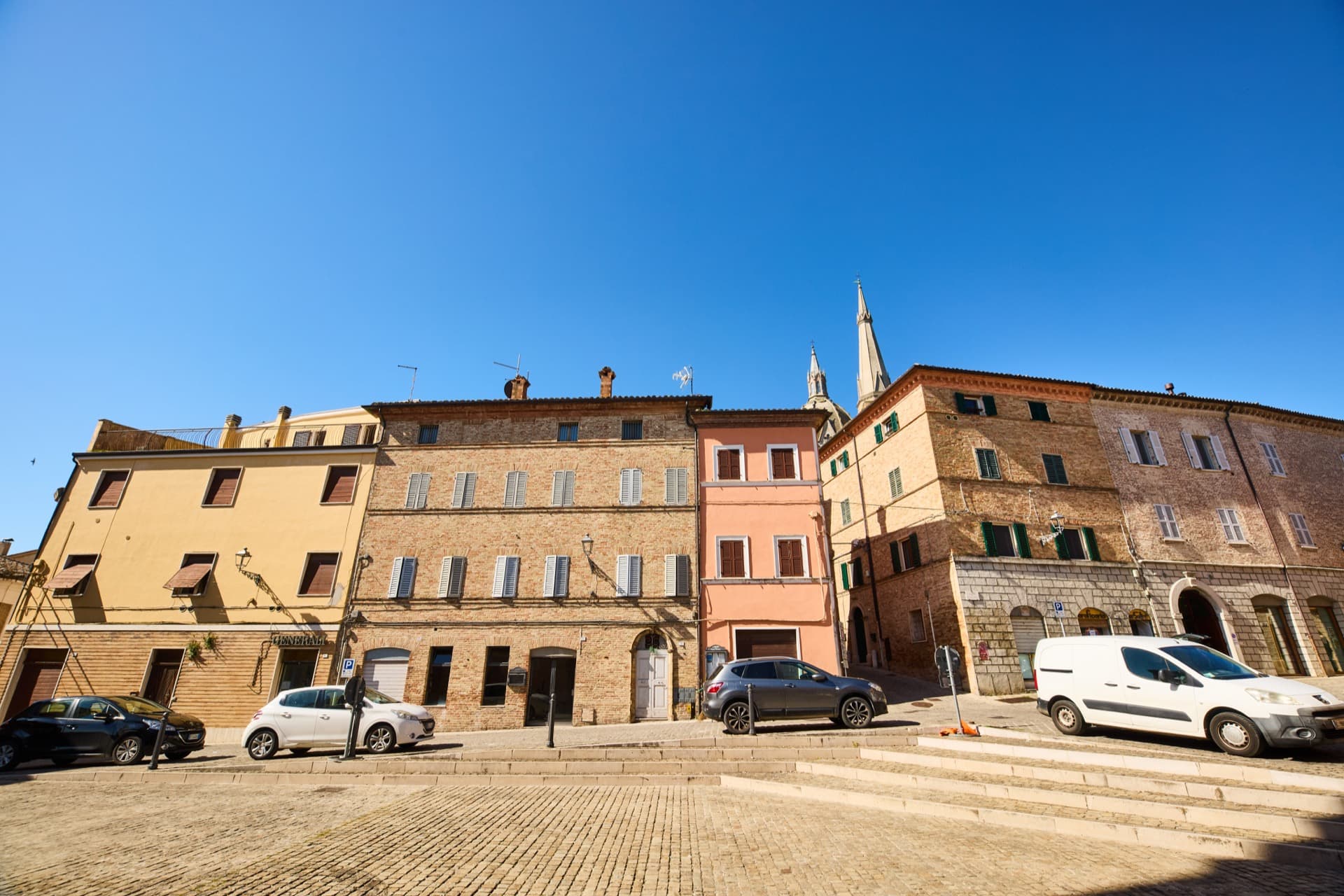
Stage 11
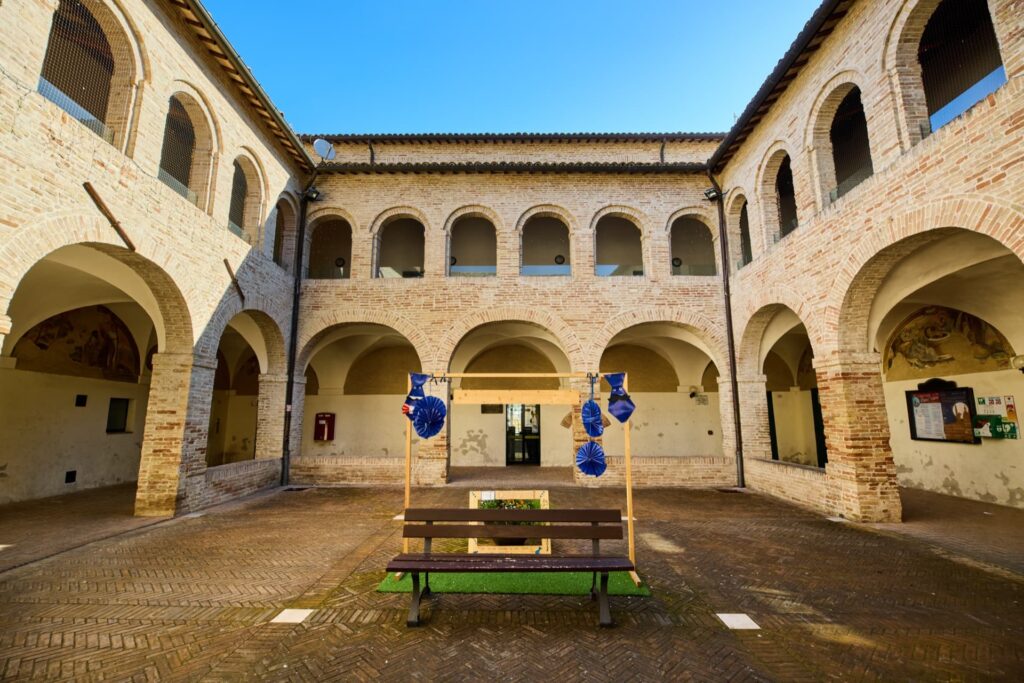
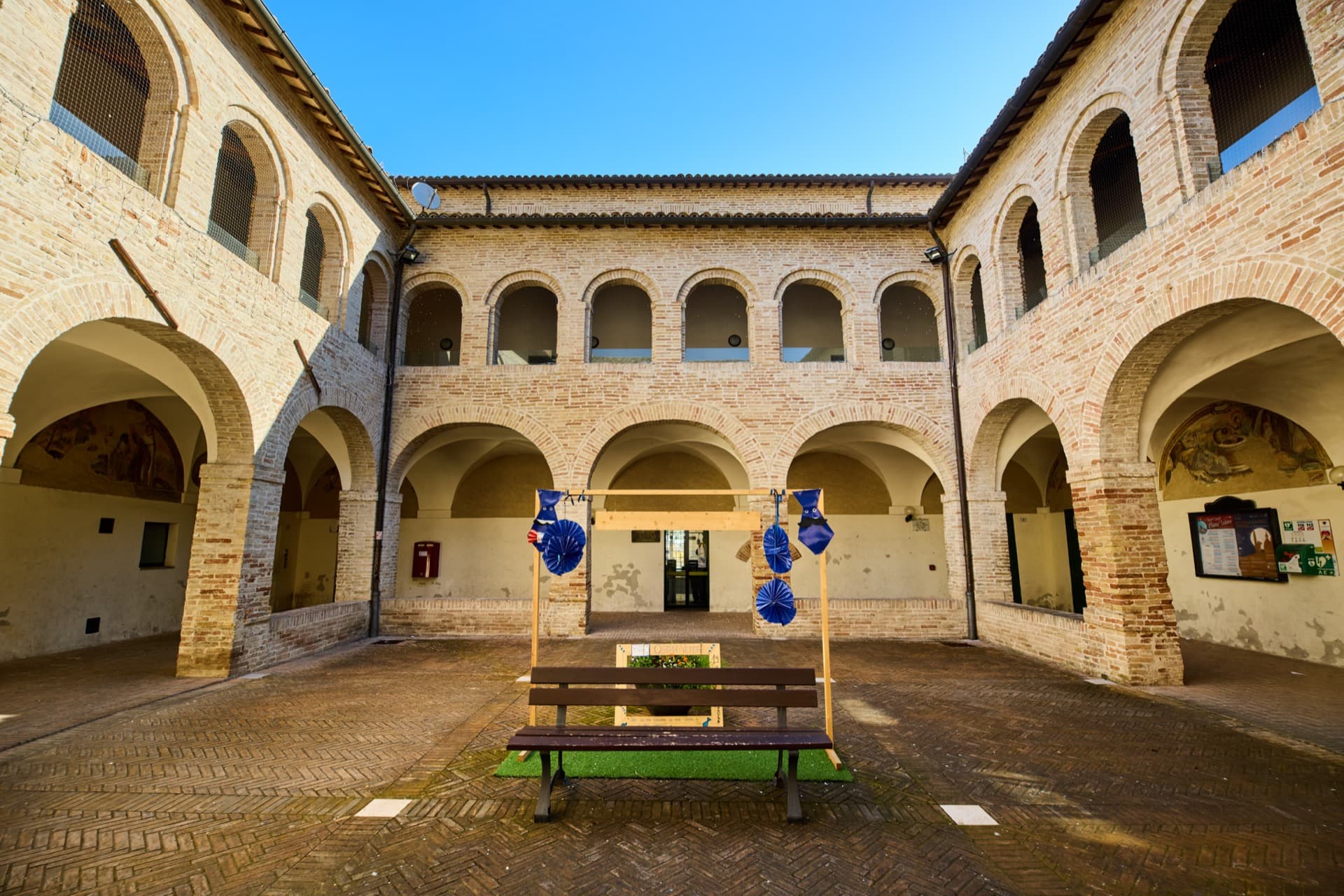
Cloister San Francesco
The Cloister of St Francis is all that remains of the Convent of San Francesco al Mercatale, which was demolished in the early 20th century. Traces of the original cycle of frescoes depicting Franciscan subjects, which once adorned all four sides of the cloister, can still be seen. To the right stands the convent’s ancient bell tower.
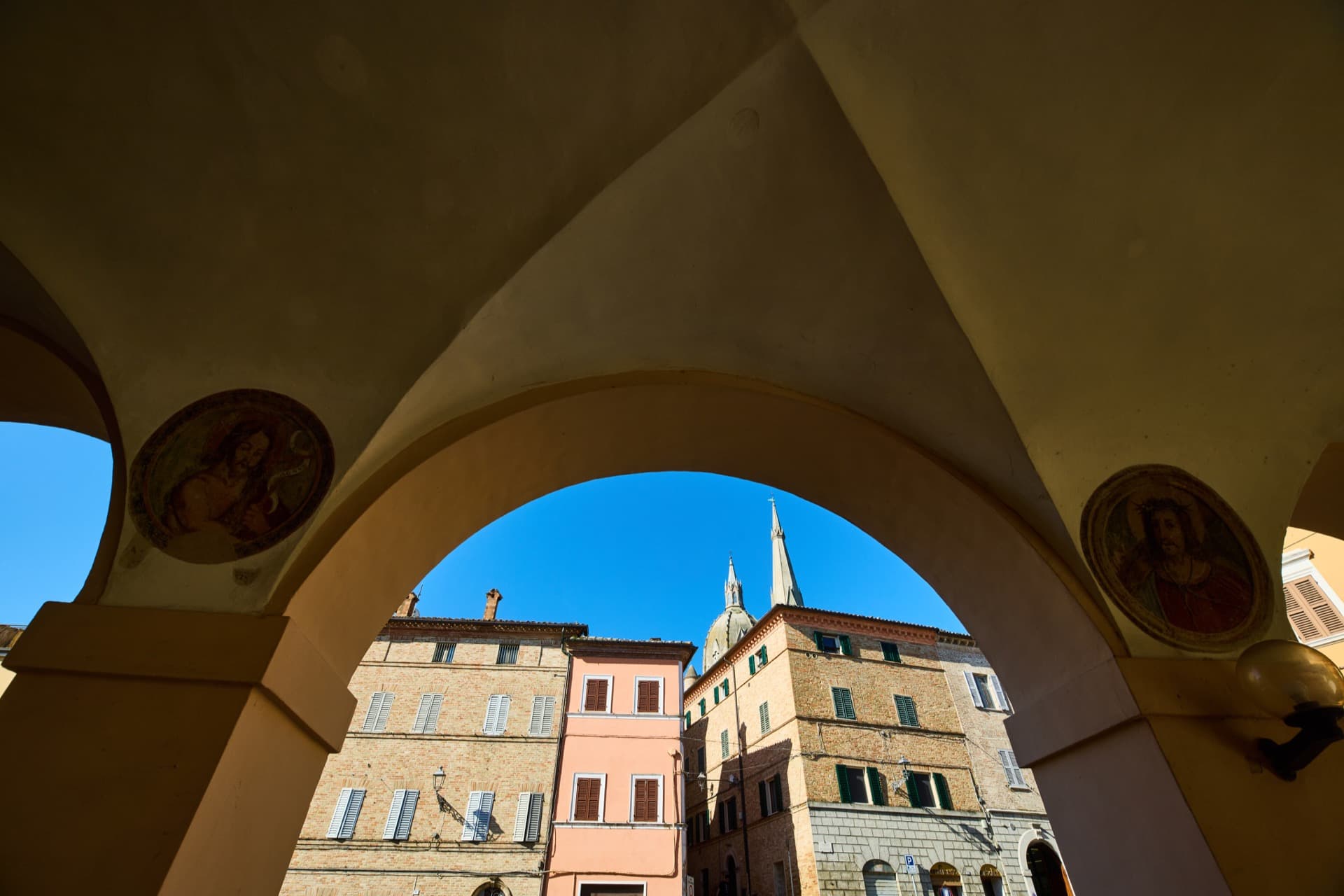
Stage 12
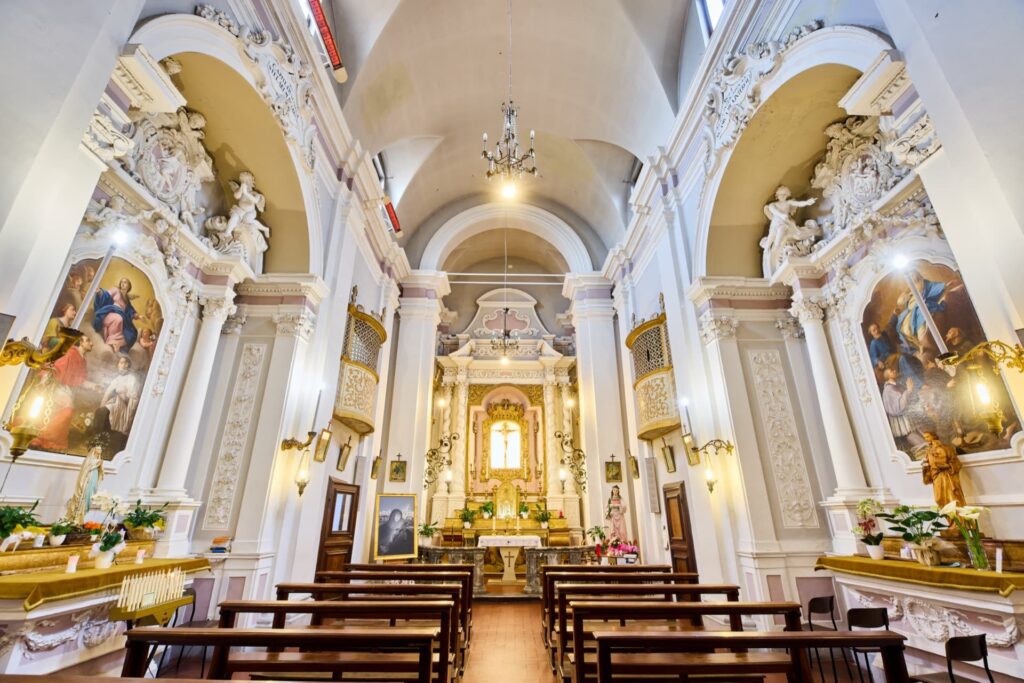
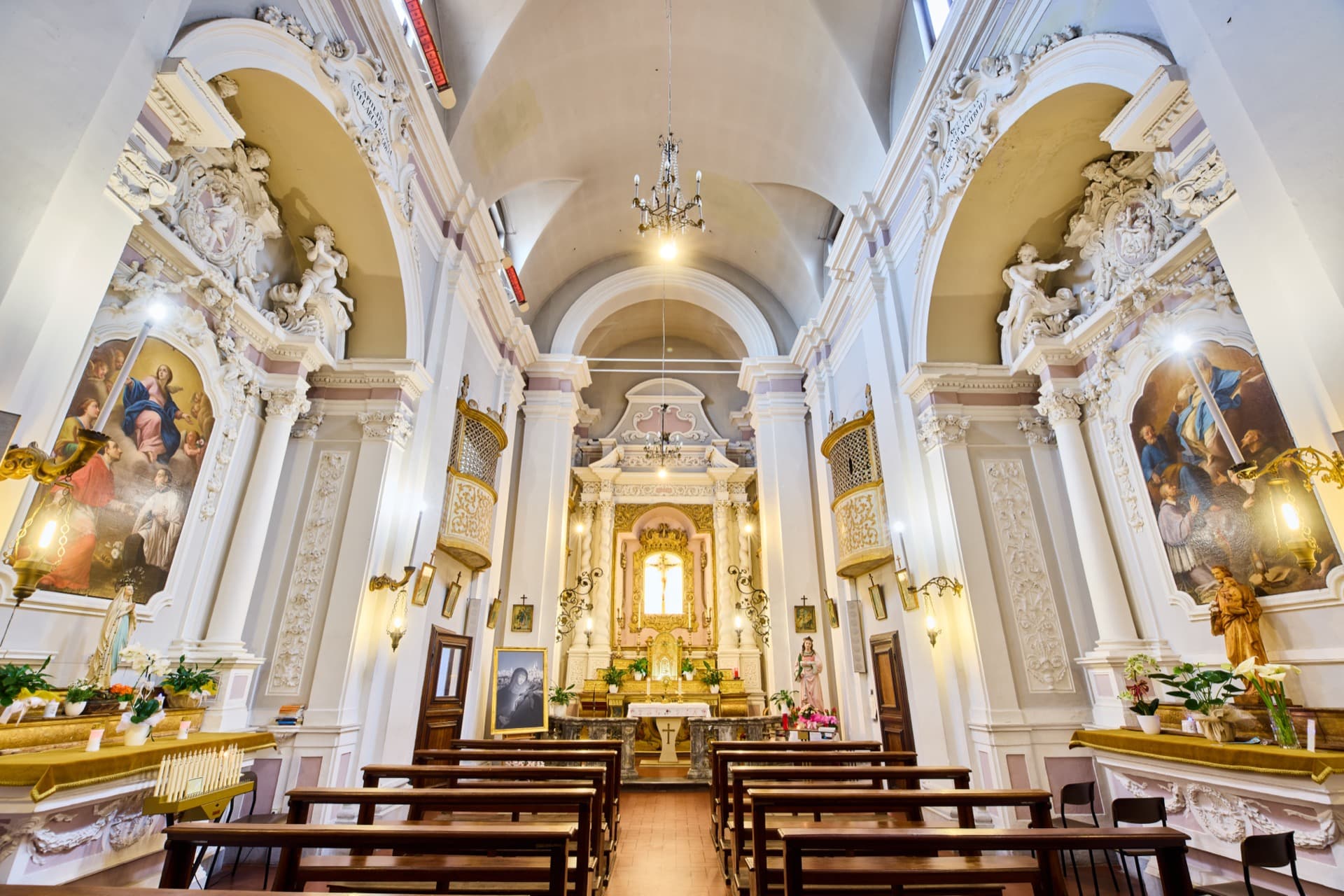
Church of Santa Lucia
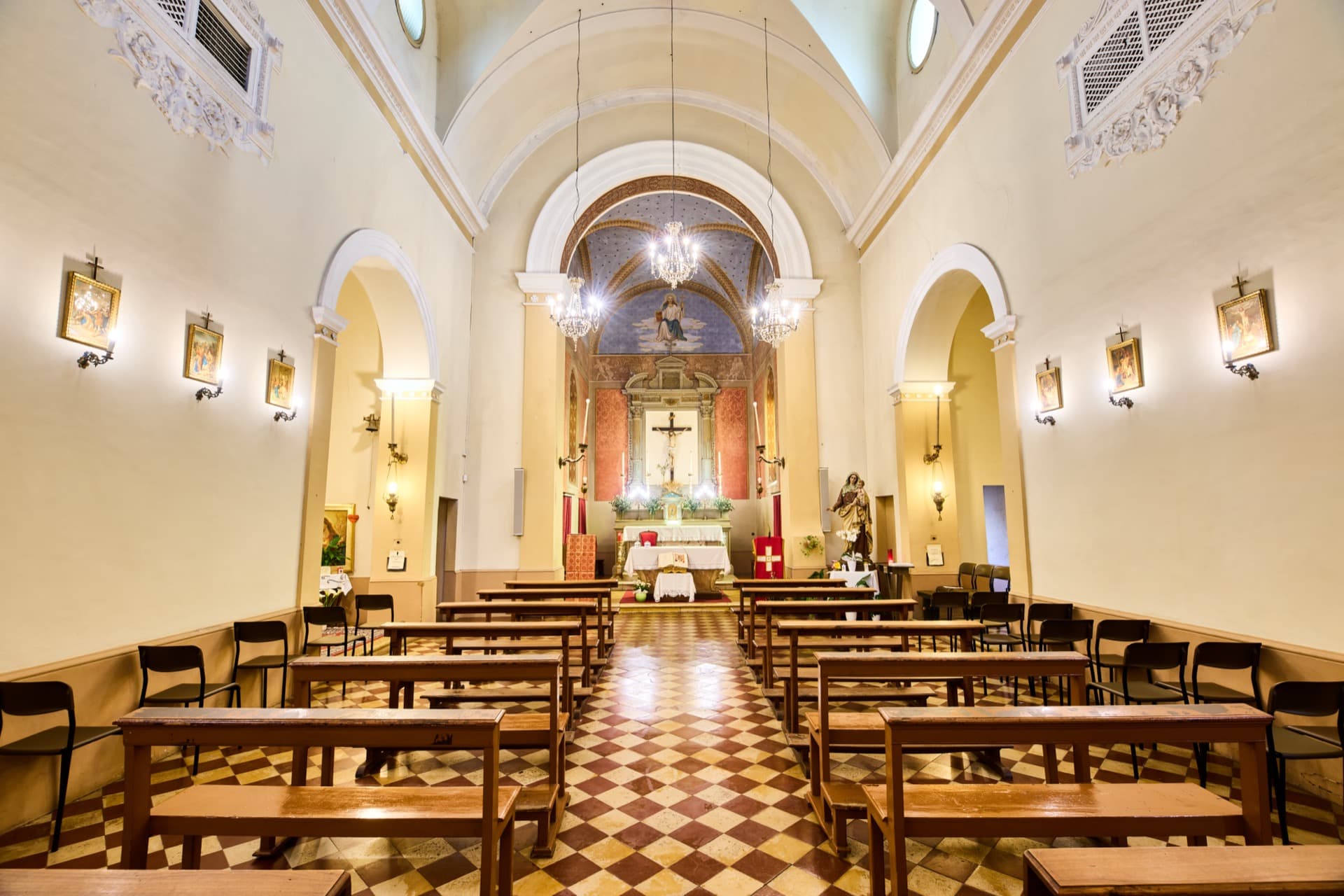
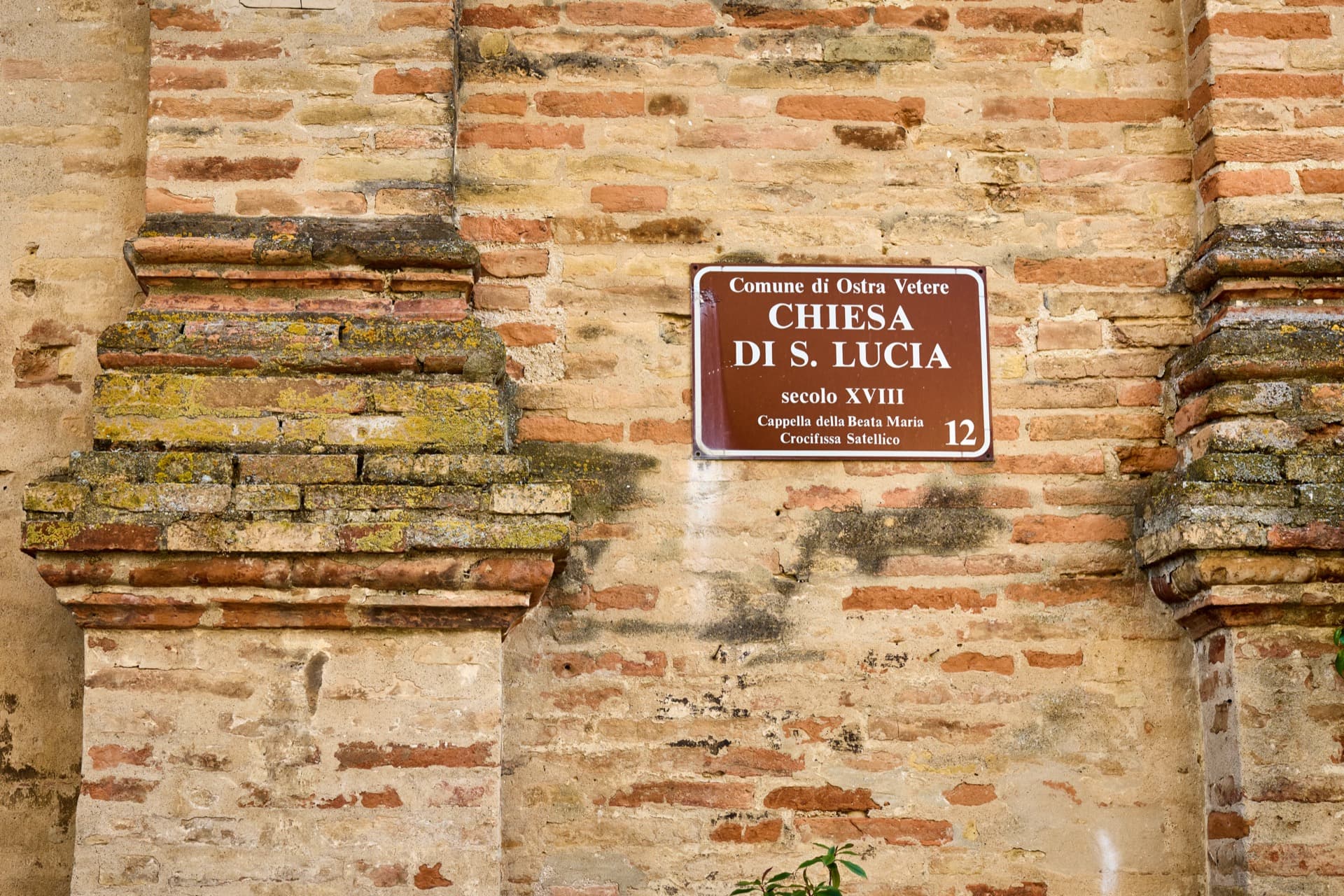
The Church of St Lucia is an elegant building featuring decorations typical of the late Baroque and early Rococo styles; it houses a collection of interesting works of art, as well as an organ crafted by the master organ builders Canonici di Montecarotto and installed in 1707. The remains and relics of Blessed Sister Maria Crocifissa Satellico (1706–1745), beatified in 1993 by Pope John Paul II, are preserved here.
Stage 13
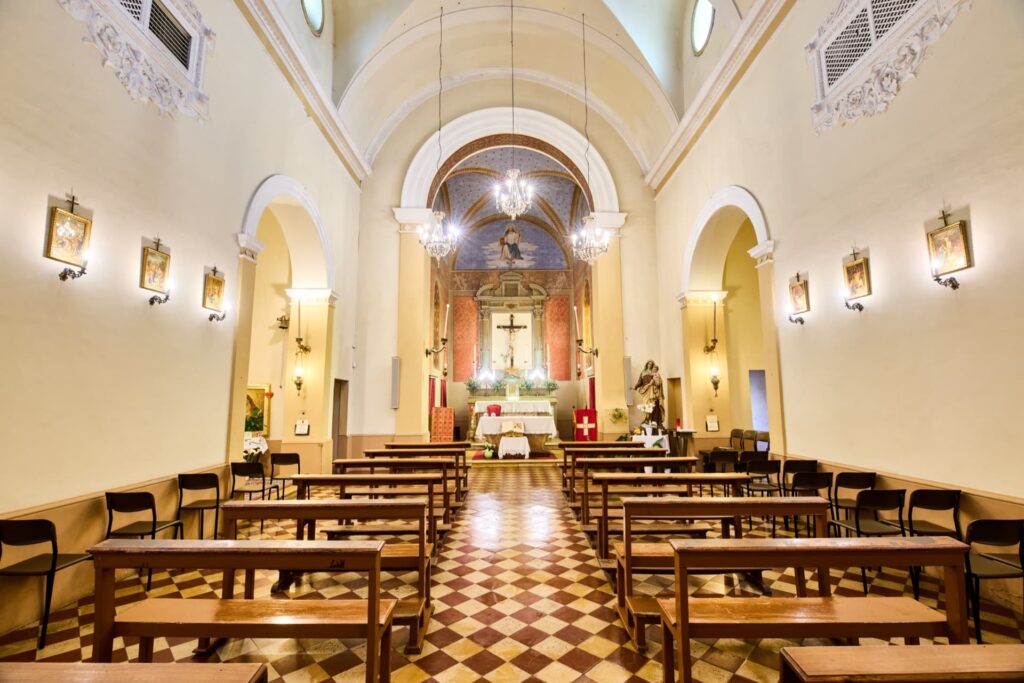
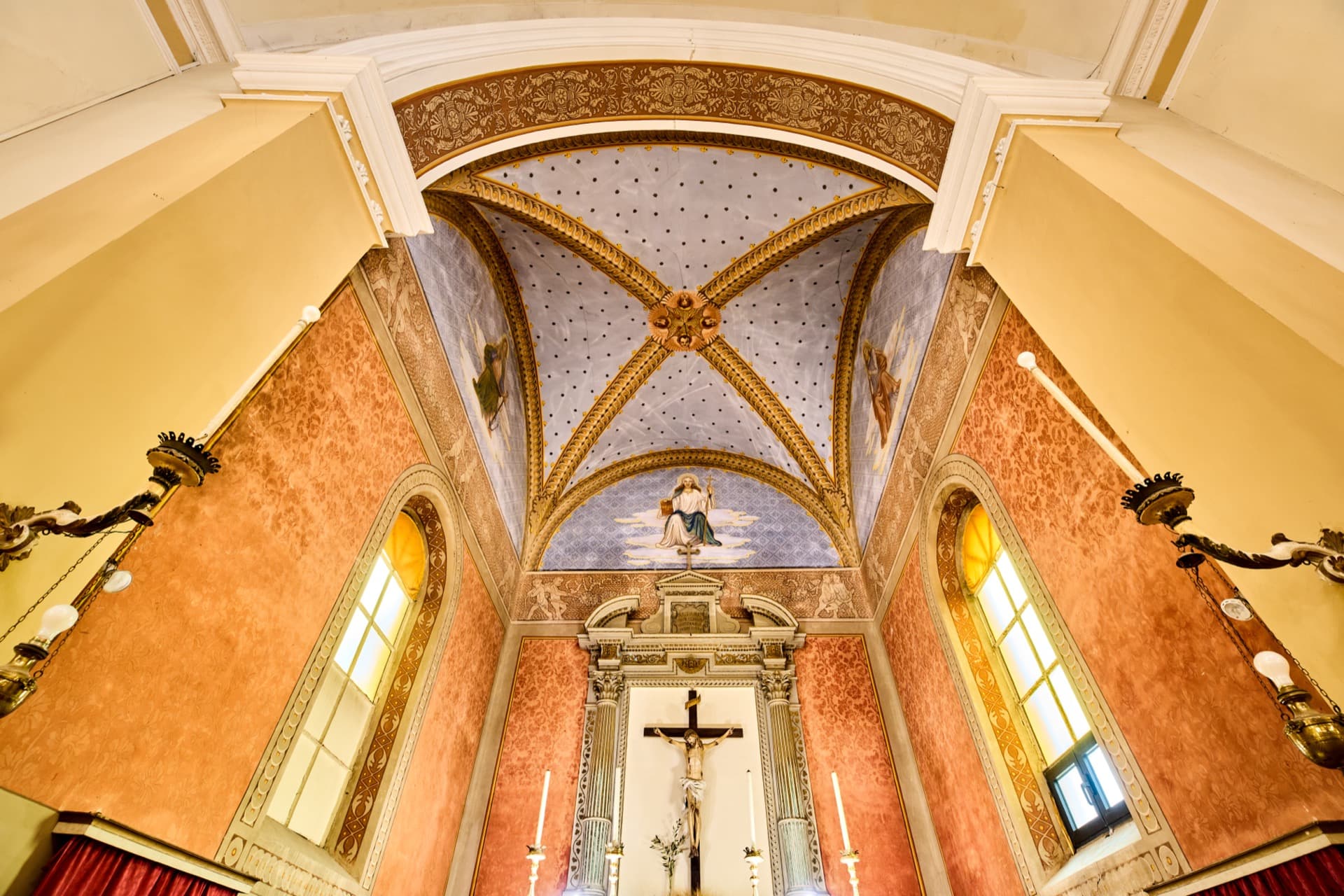
Church of San Severo
This place of worship is located in the village; its entrance features a majestic 13th-century portal, originally from the demolished church of San Francesco al Mercatale. Inside are two 17th-century paintings
Stage 14
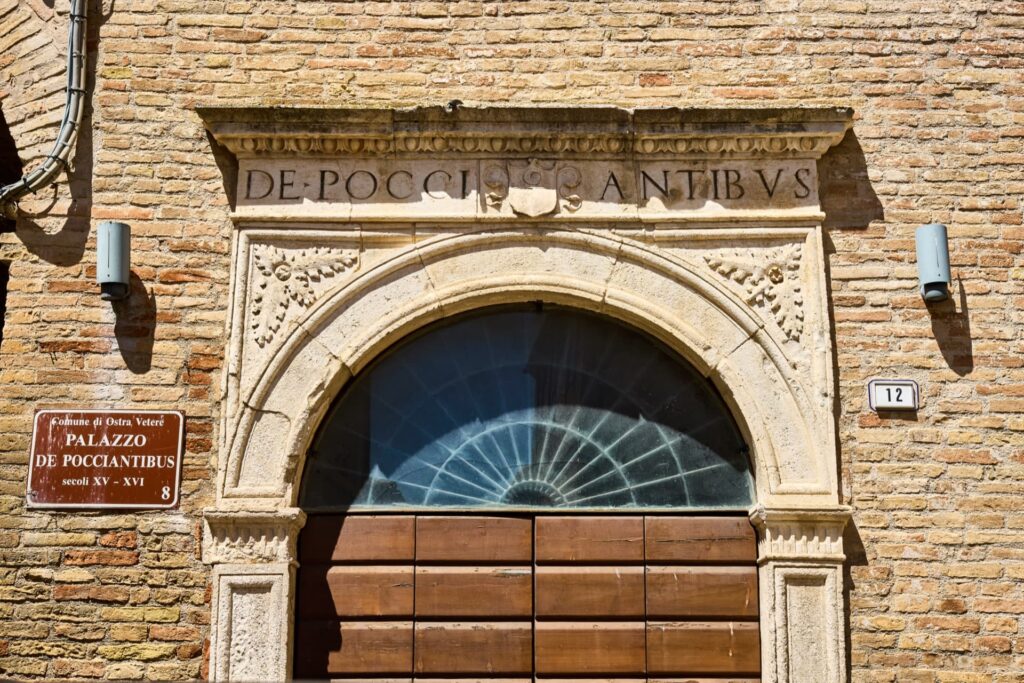
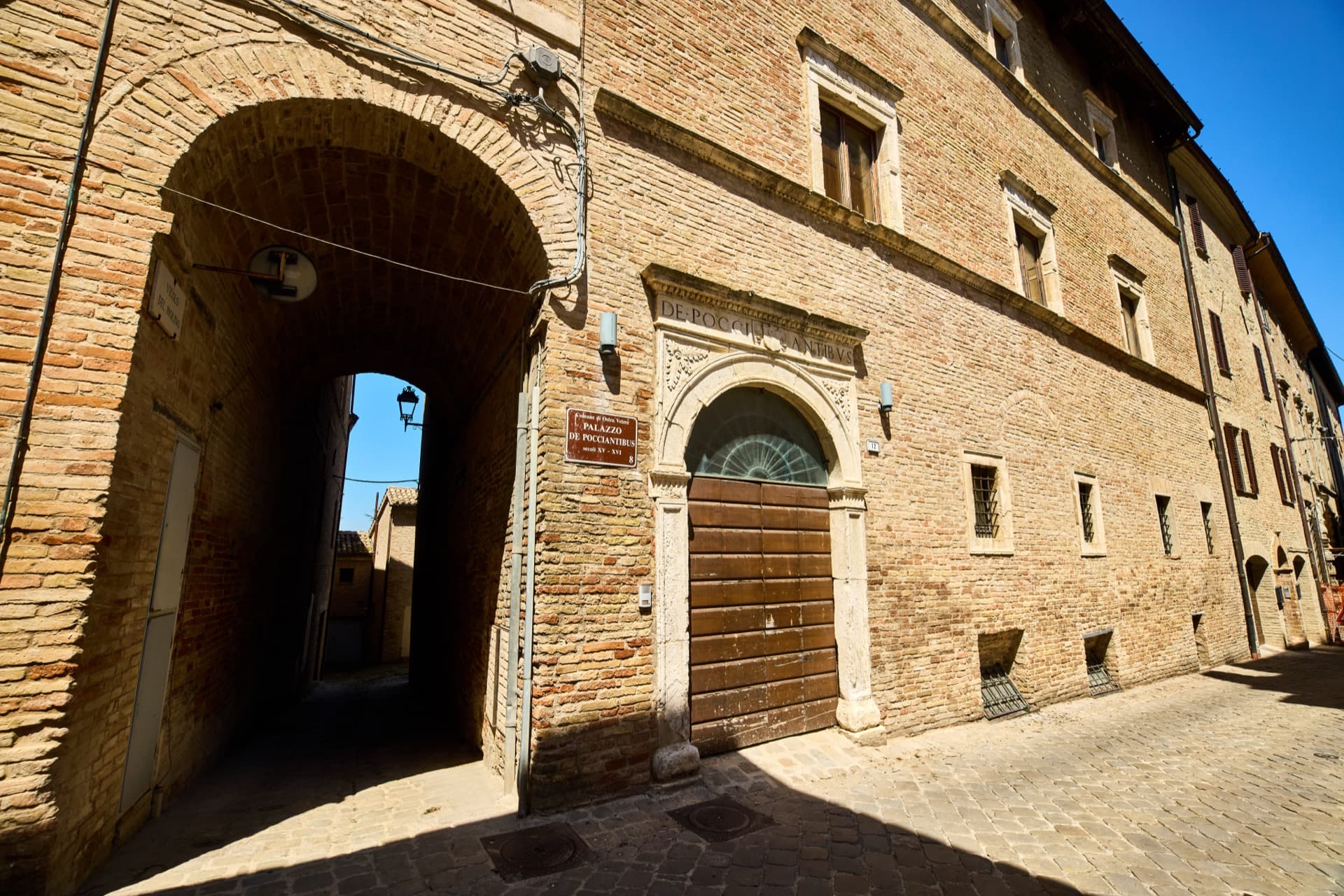
De Pocciantibus Palace
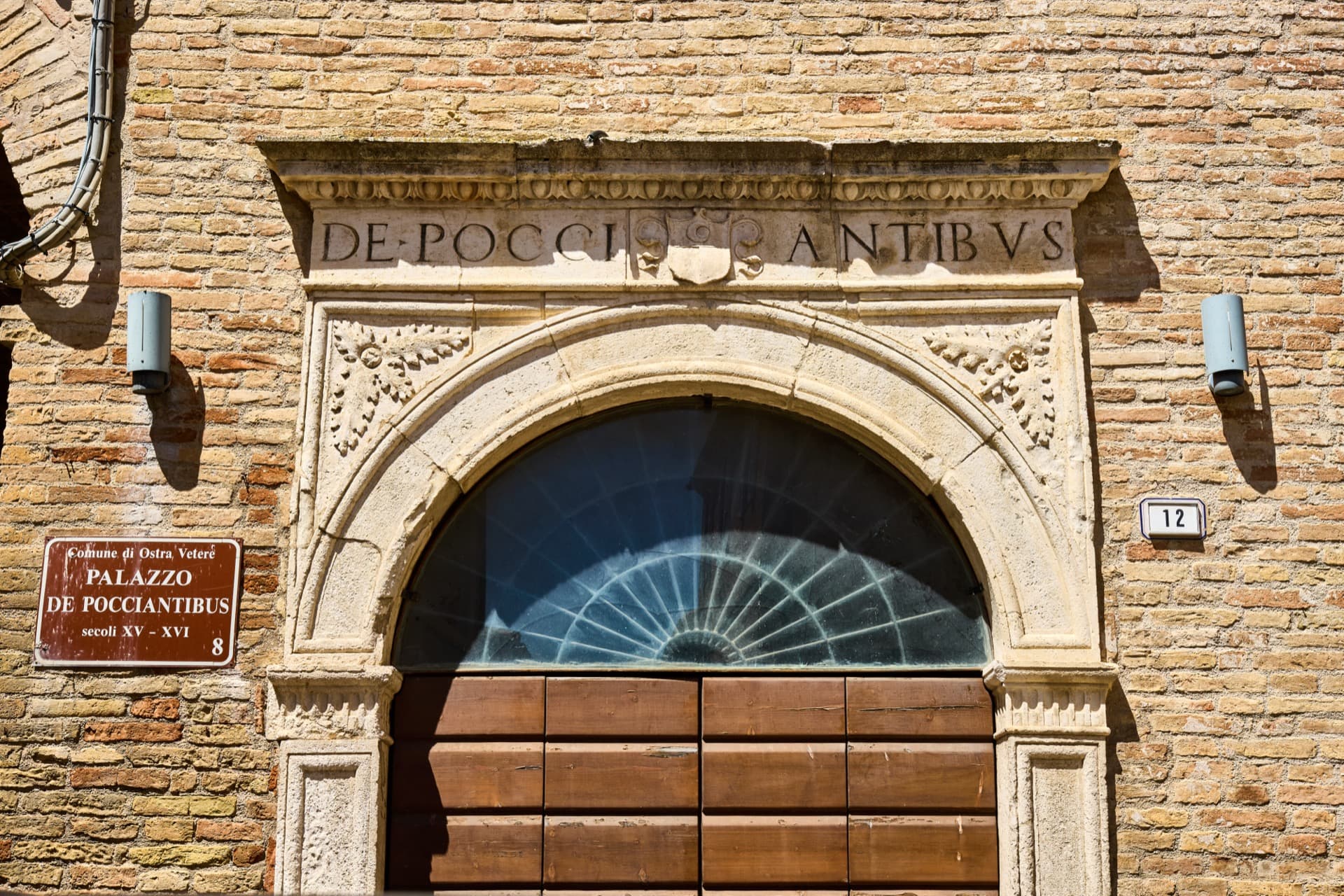
This Renaissance building, designed by Antonio Poccianti – who settled in Montenovo after moving from Ragusa (now Dubrovnik, in Croatia) – is now owned by the local council and the restored section is used as an exhibition hall.
Stage 15
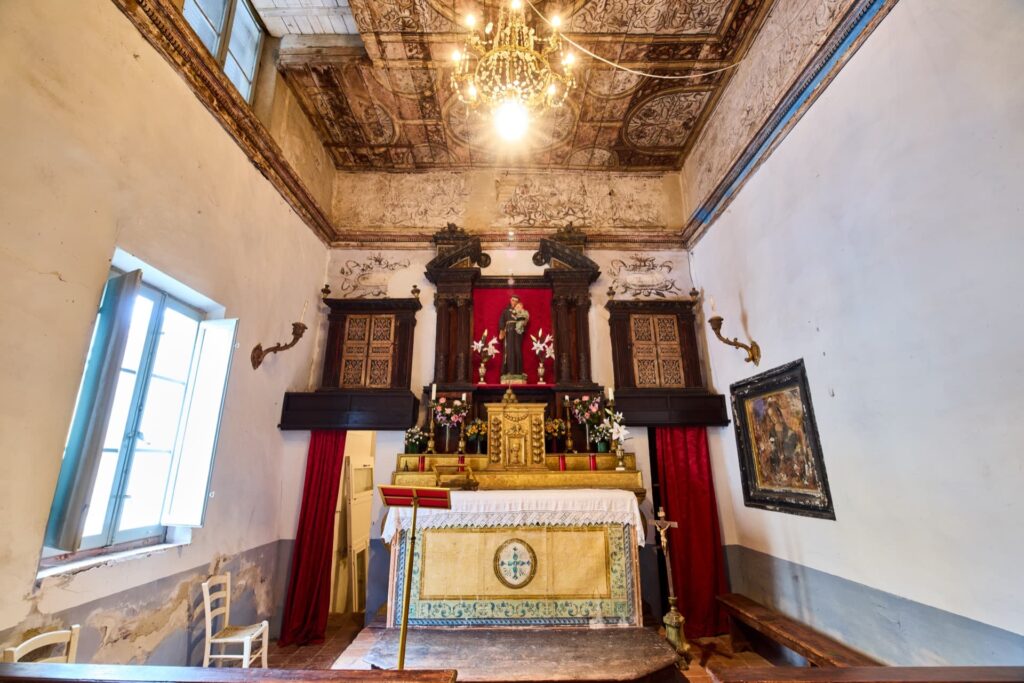
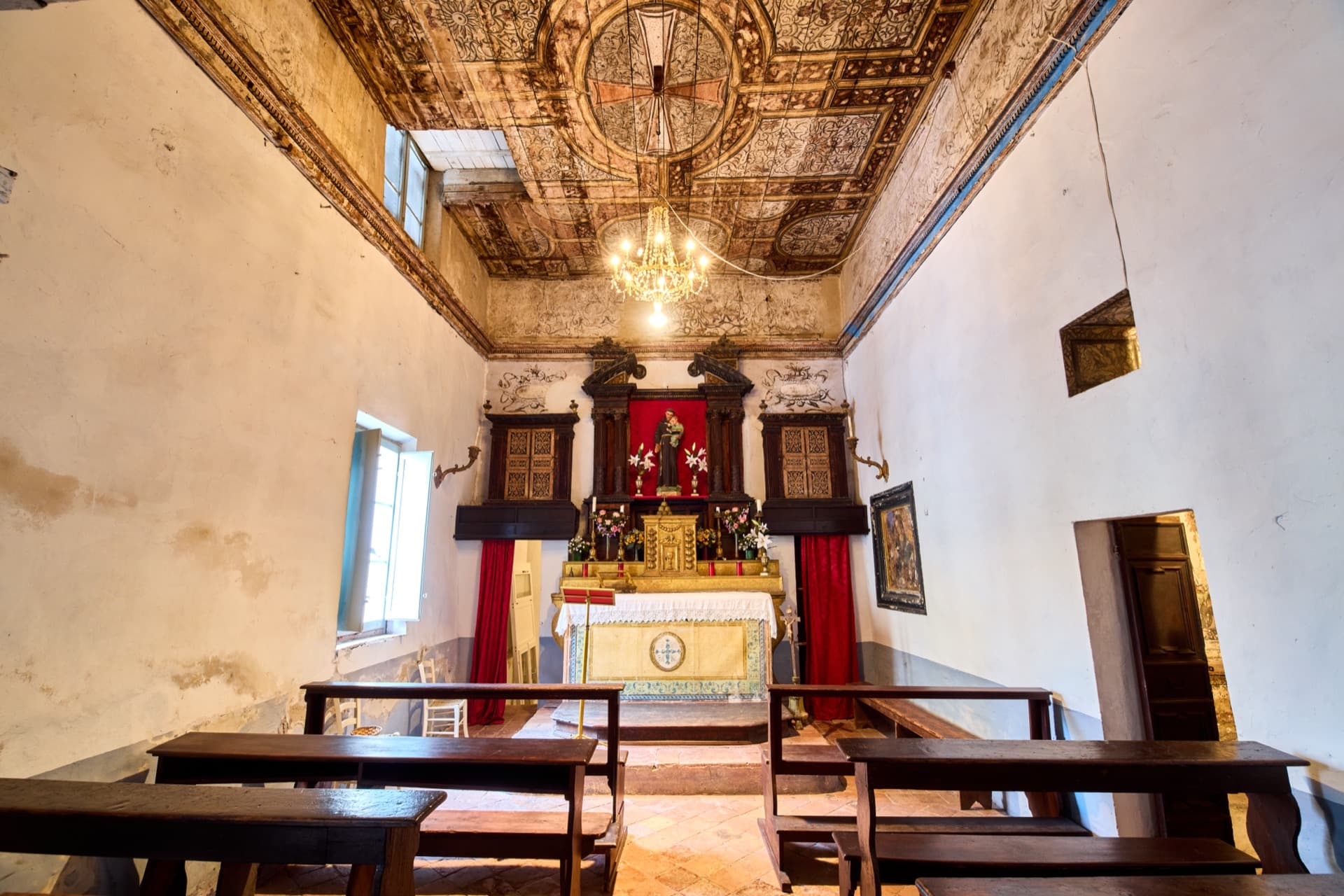
Church of Sant’Antonio al Borgo and Peruzzi Palace
The Church of Sant’Antonio al Borgo and Palazzo Peruzzi are regarded as places of worship entrusted to the care of the Confraternity of the Most Holy Sacrament; the church features a beautiful painted wooden ceiling and a 16th-century fresco depicting the Madonna del Soccorso. The palace housing the church, built by Giovanni Battista Peruzzi, took on its present form in the early 18th century
Stage 16
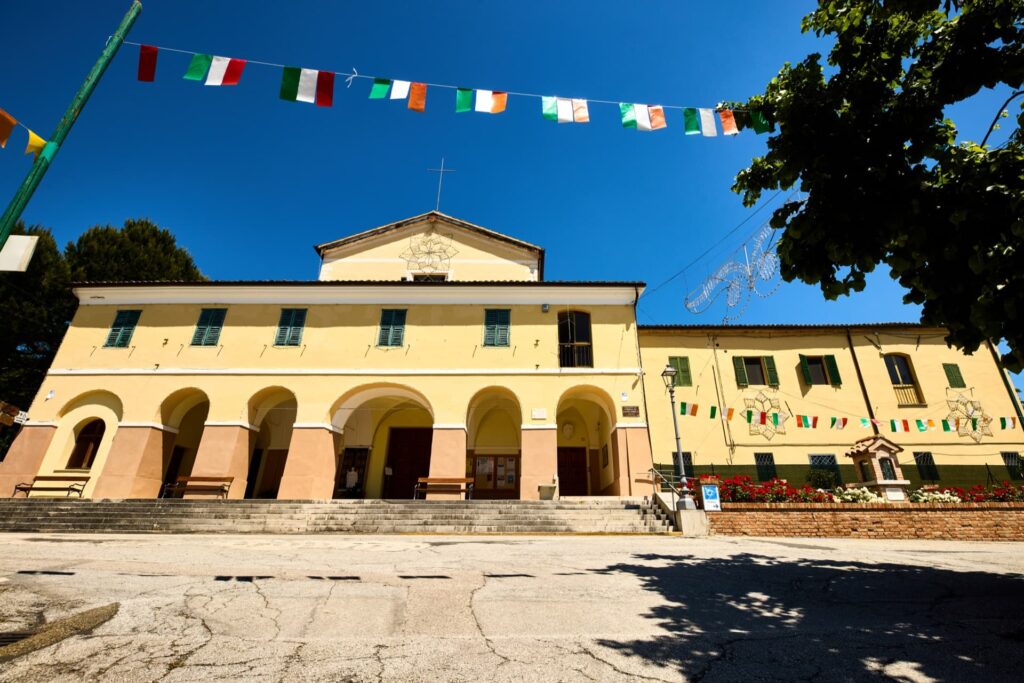
Convent of the Friars Minor and Church of the Holy Cross
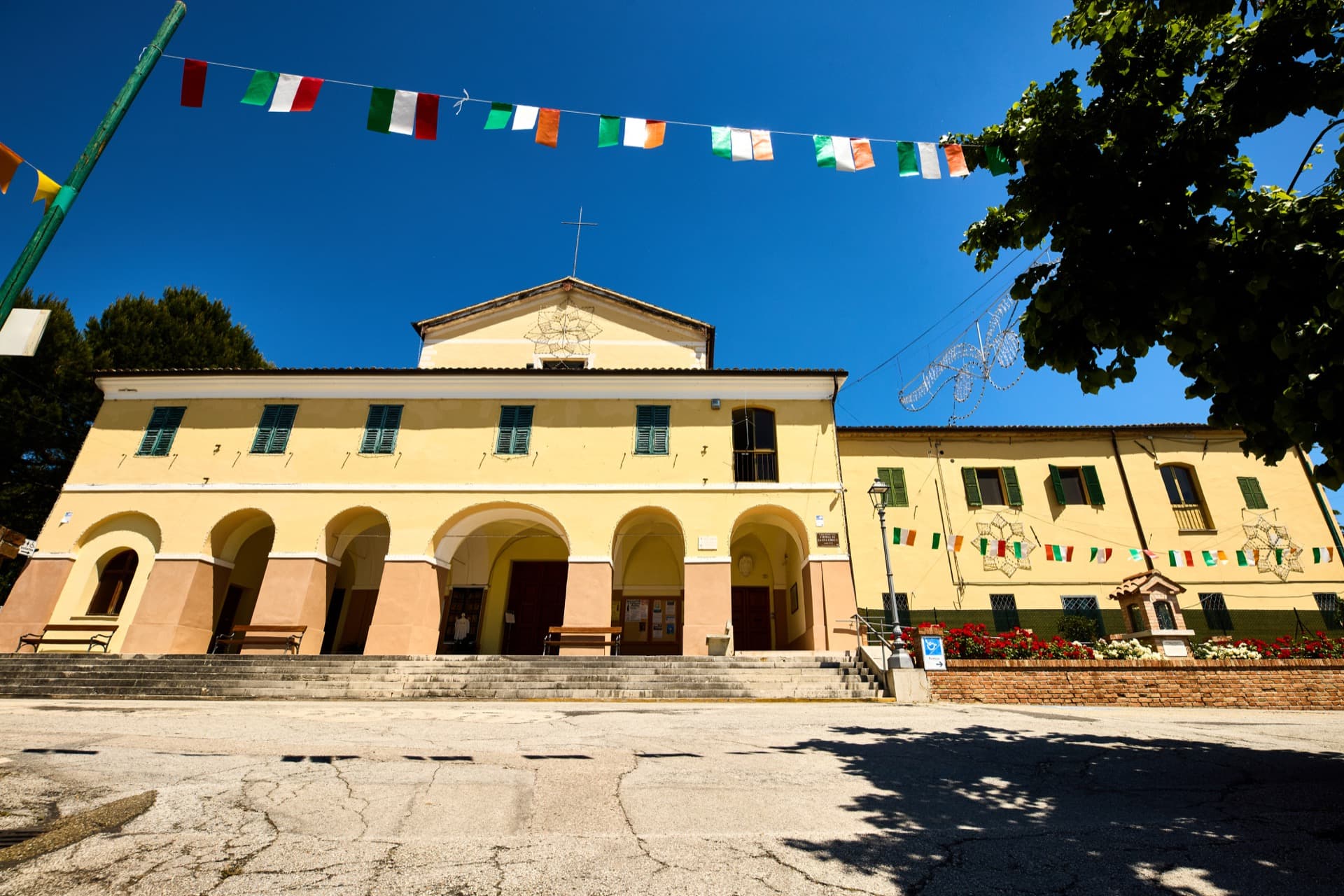
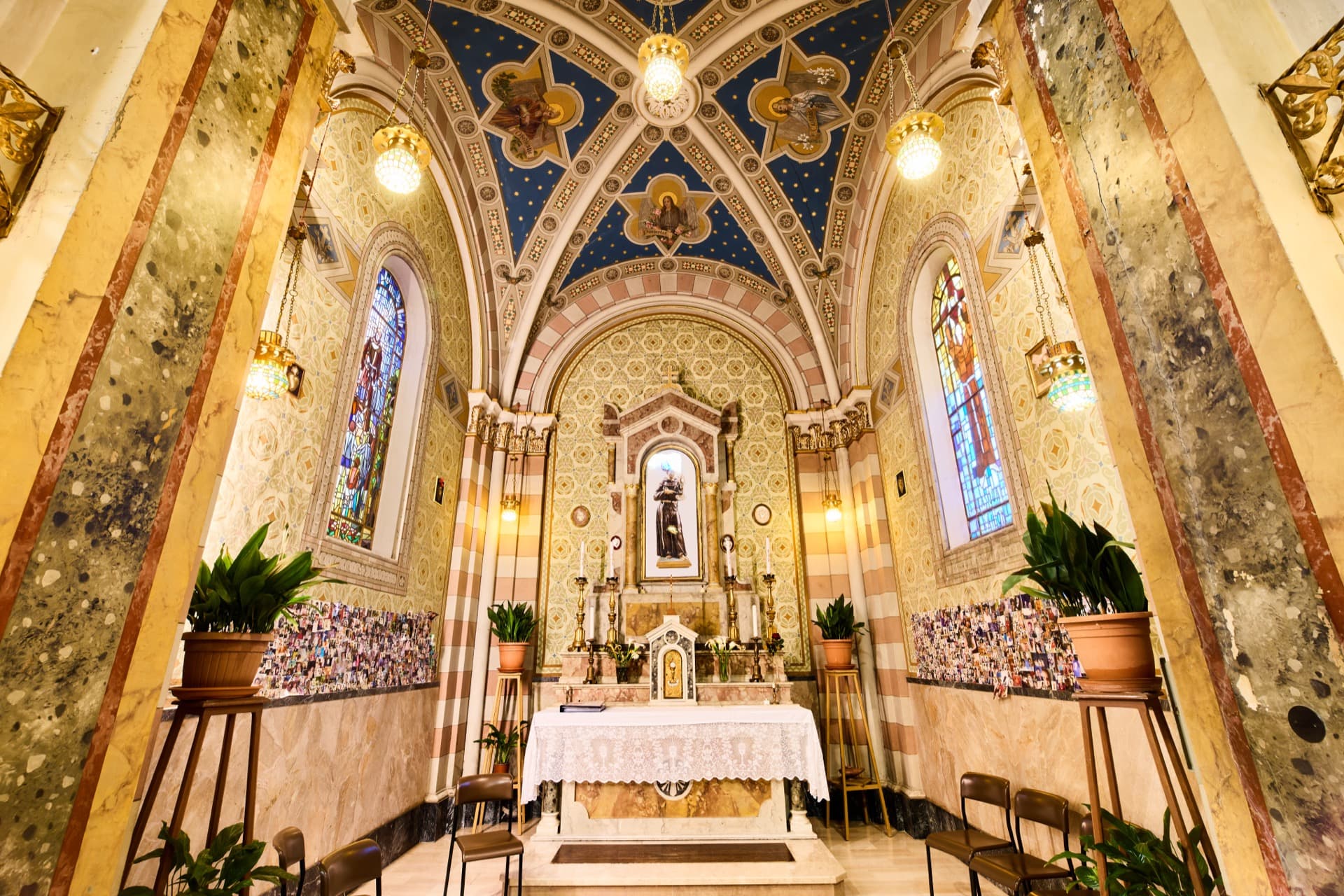
This convent was built in 1605 in a very pleasant spot, half a kilometre from the village of Ostra Vetere. The church was completed in 1620 and solemnly consecrated in 1622. The convent served as the seat of the Faculty of Sacred Eloquence and the Preparatory College. It has been well restored and is well maintained. The church houses a fine panel painting by the artist Claudio R. Veronese, as well as a wooden crucifix, a gift from Francesco II, Duke of Urbino. Devotion to St Pasquale Baylon is deeply felt here; both on the annual feast day and on a daily basis, the faithful flock in large numbers to entrust themselves to his intercession. For some years now, it has been the seat of the Commissariat of the Holy Land.
Stage 17
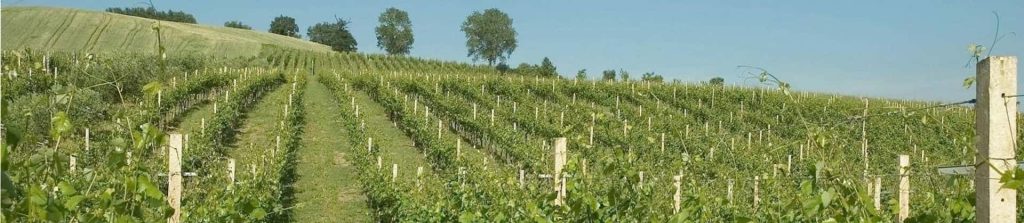
Ostra Antica
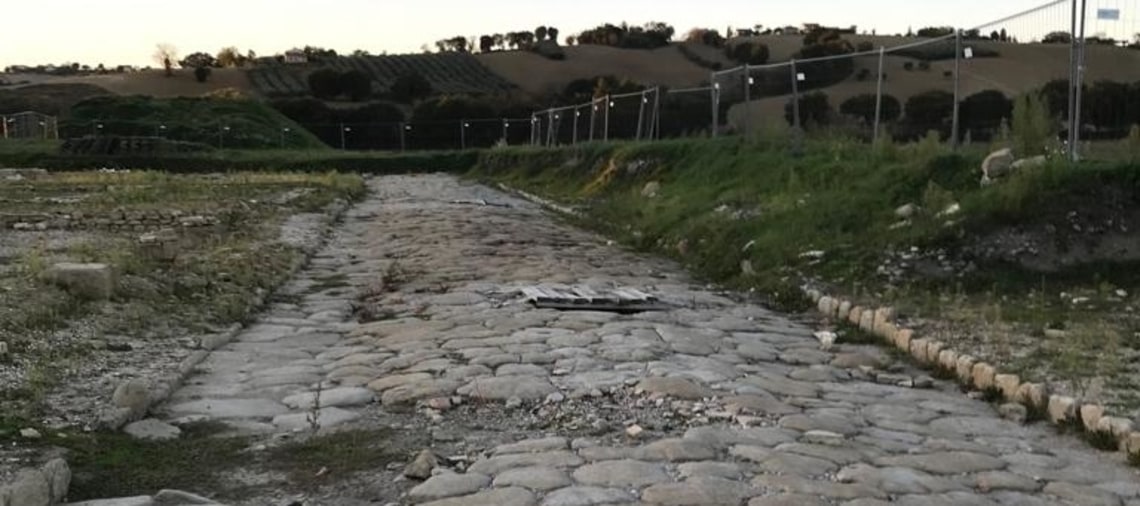
Ostra Antica, which was situated in what is now the territory of Ostra Vetere, in a locality known as Muracce due to the presence of ruins on the surface, was established as a municipium and assigned to the Pollia tribe.
Stage 18
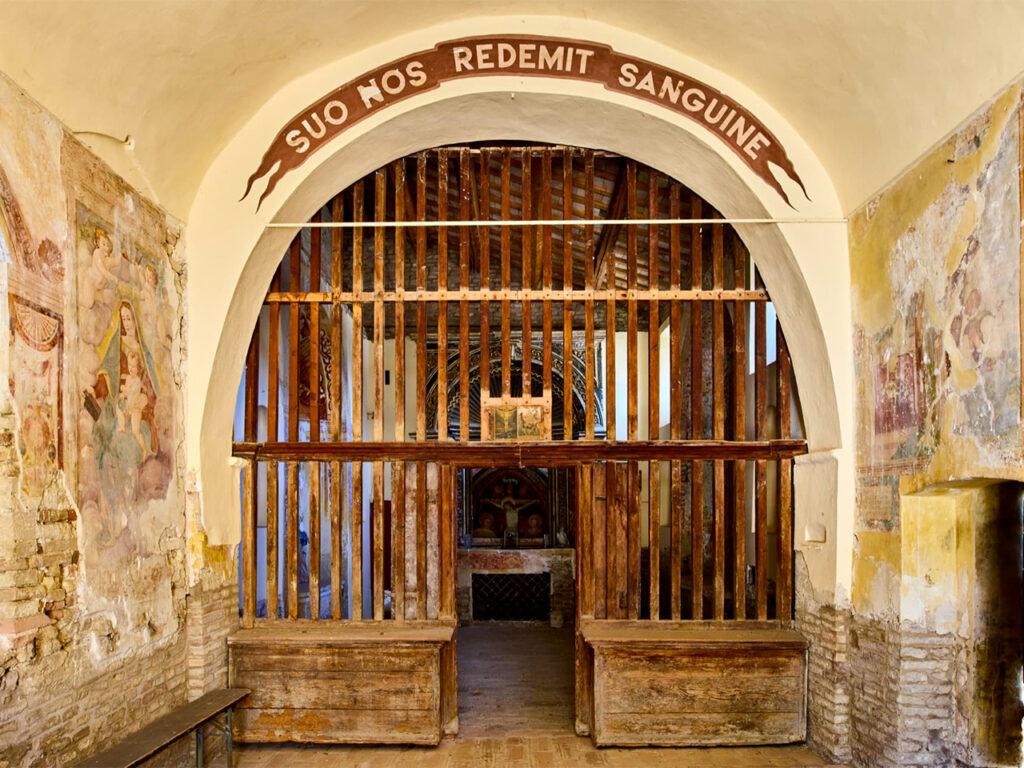
Church of SS. Crocifisso
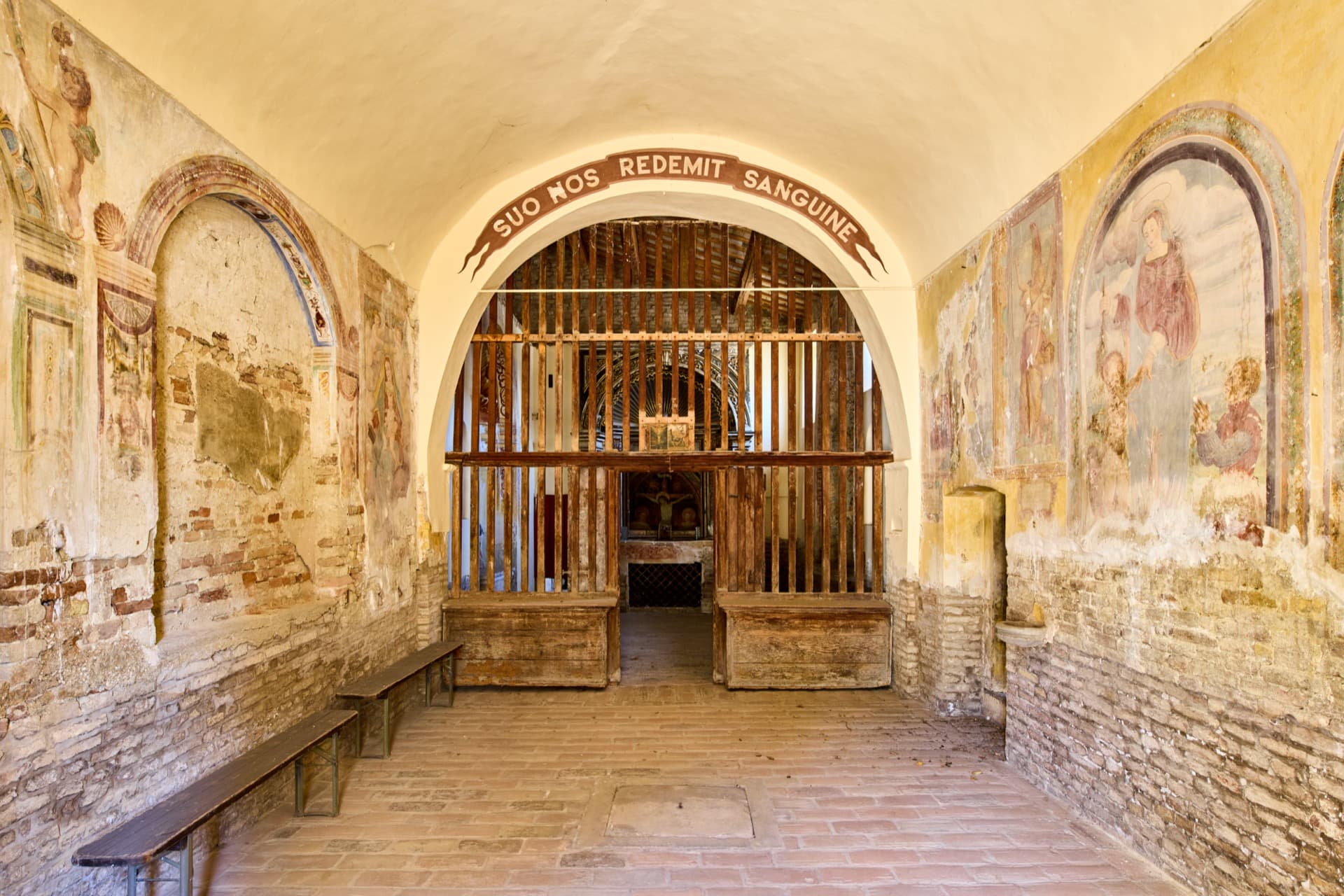
The Church of the Holy Cross is a simple building situated not far from the town centre; it houses a 15th-century Crucifixion by the Marche school and several other 15th- and 16th-century frescoes, some of which are attributed to Giovanni Battista Lombardelli of Montenovo, a painter active in the second half of the 16th century in the Marche region, Umbria and Rome
Stage 19
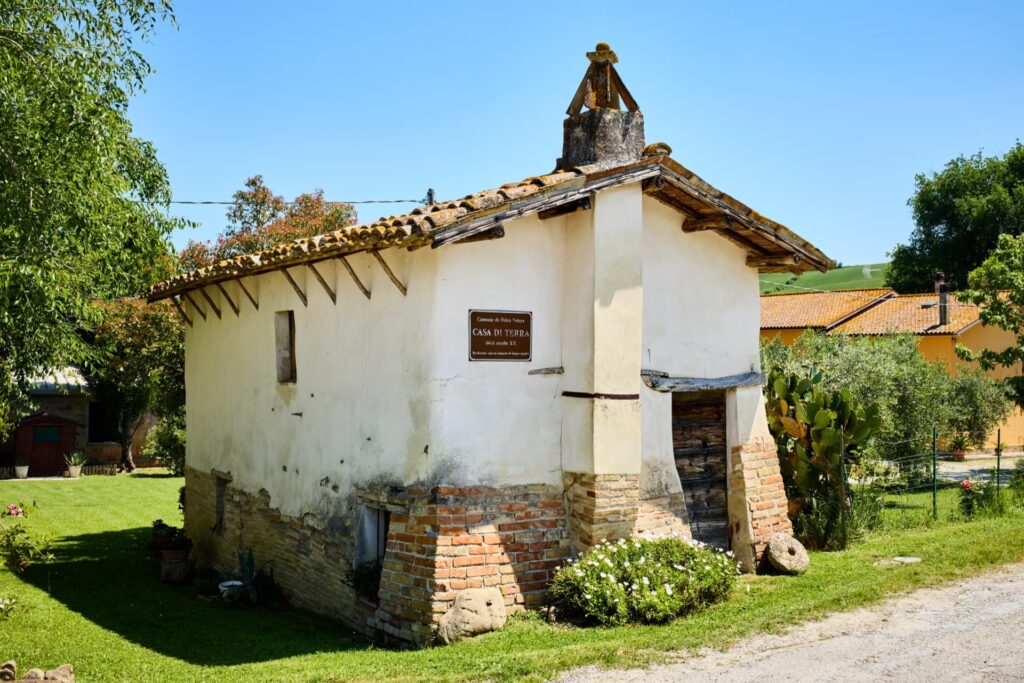
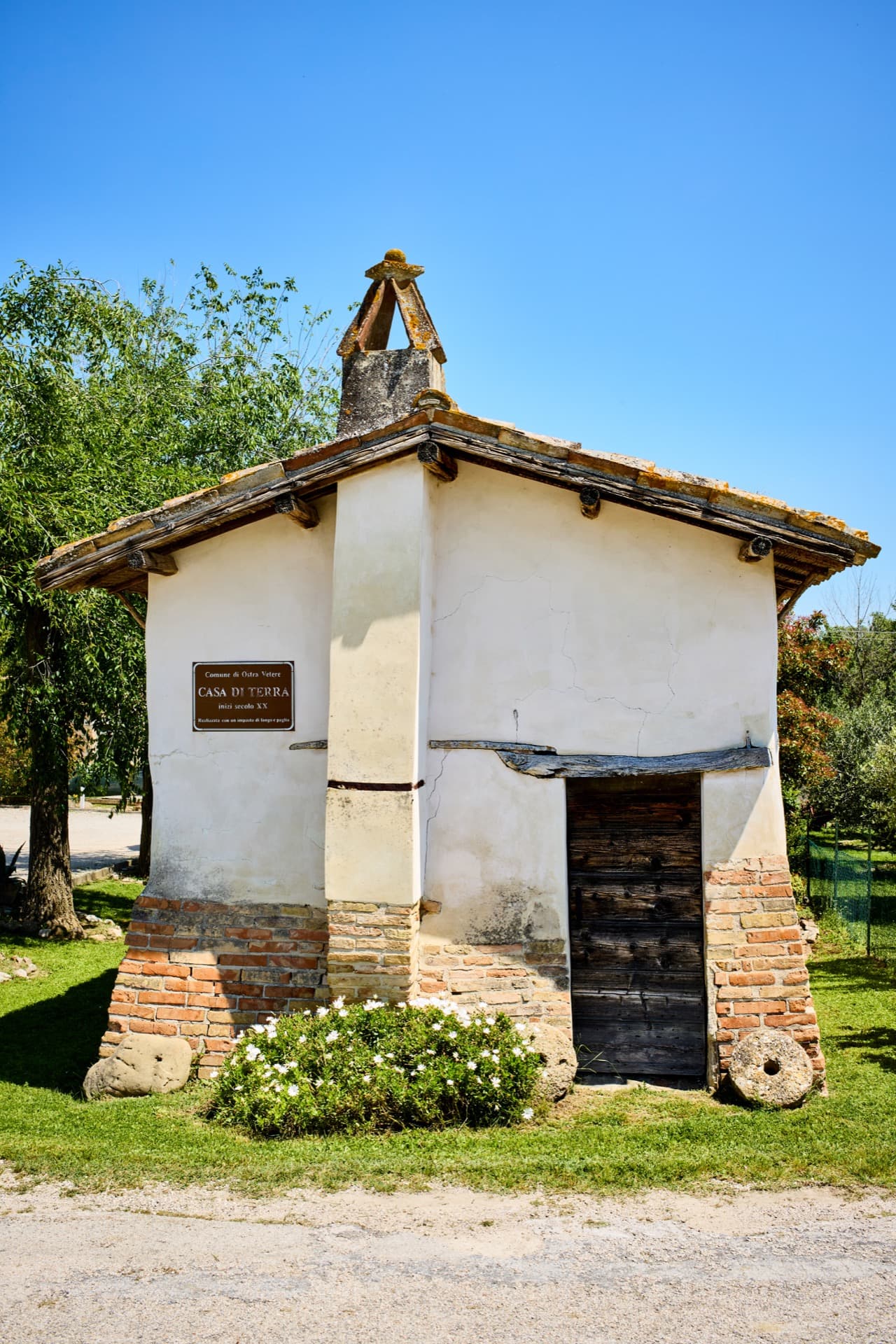
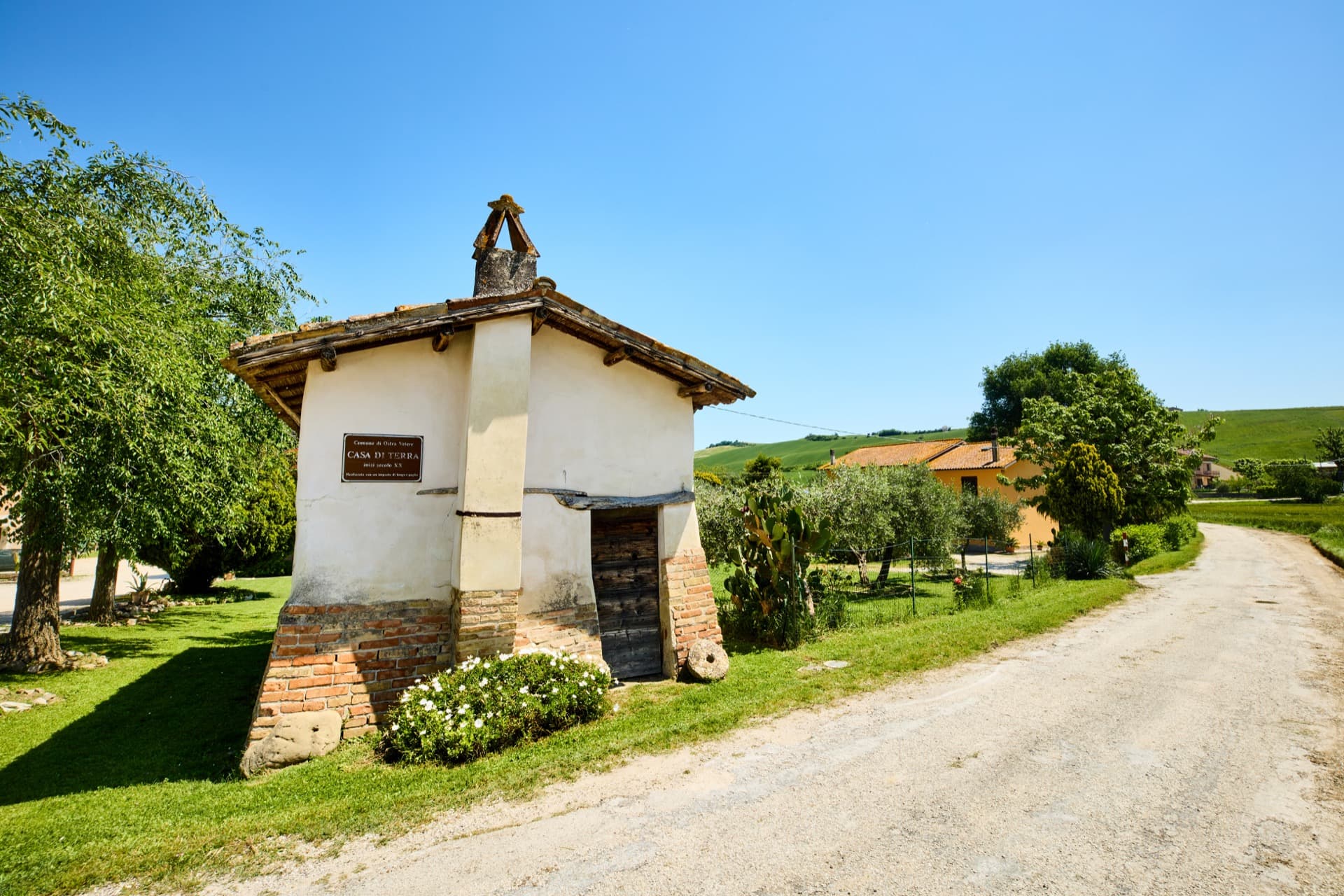
La casa di terra
The earthen house is an example of poor architecture, evidence of the ancient technique of walling with earth mixed with straw. The current construction dates back to the early twentieth century. This construction technique is of medieval origin and housed the families of sharecroppers and seasonal workers
Stage 20
Shopping
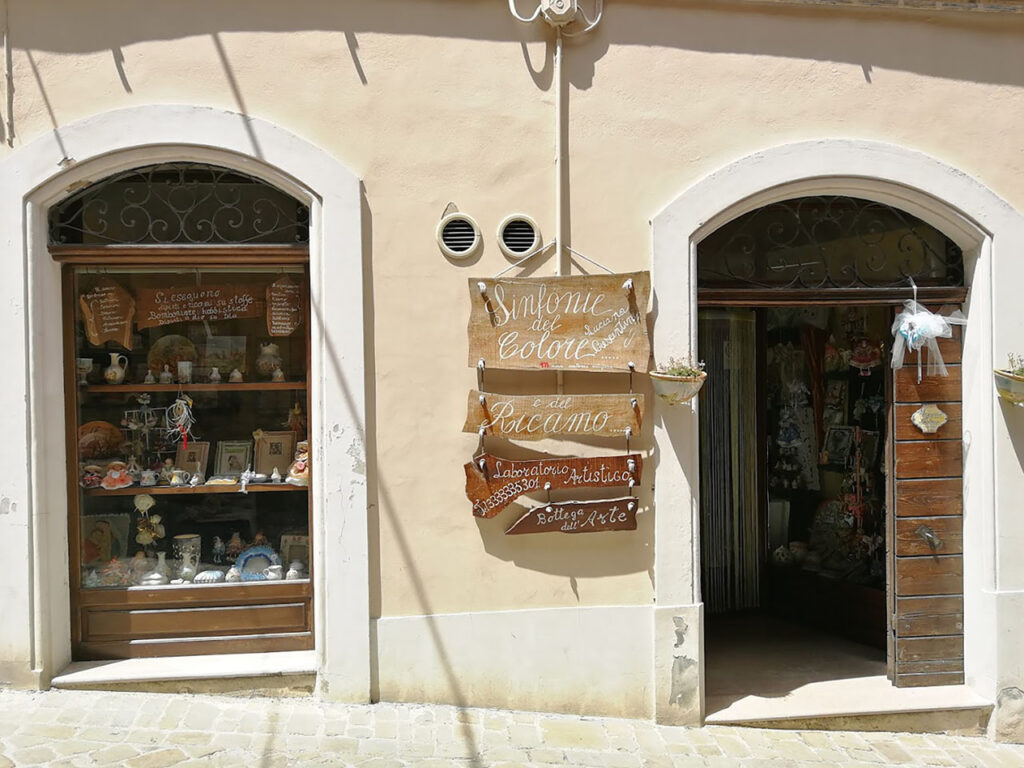
For those who wish to purchase a souvenir of the village or discover local handicrafts, the historic centre offers some shops of particular interest. Sinfonie del Colore e del Ricamo is perfect for finding souvenirs and decorative items created with skill, while La Bottega delle Nuvole offers stationery items and creative ideas ideal as gifts or souvenirs of your visit to Ostra Vetere.
-
La Bottega delle Nuvole
Via Cesare Battisti - Tel: 071 965991 -
La Pasta Di Pietro Dal 1965
Via Giuseppe Mazzini, 18, 60010 Ostra Vetere AN - Tel: 071 965073 -
Mancini Gilberto Rostry Butcher’s Shop
Via Cesare Battisti - Tel: 071 9639072 -
Silhouette Intimo Boutique
via SS. Crocefisso - Tel: 071 963 8230 -
Stefania Spose
Via S.ta Croce, 13/A, Ostra Vetere, Italy - Tel: 071 964104 -
CARNALI Supermarket
Piazza della Libertà, 14, 60010 Ostra Vetere AN - Tel: 071 964 5011
Stage 21
Taste
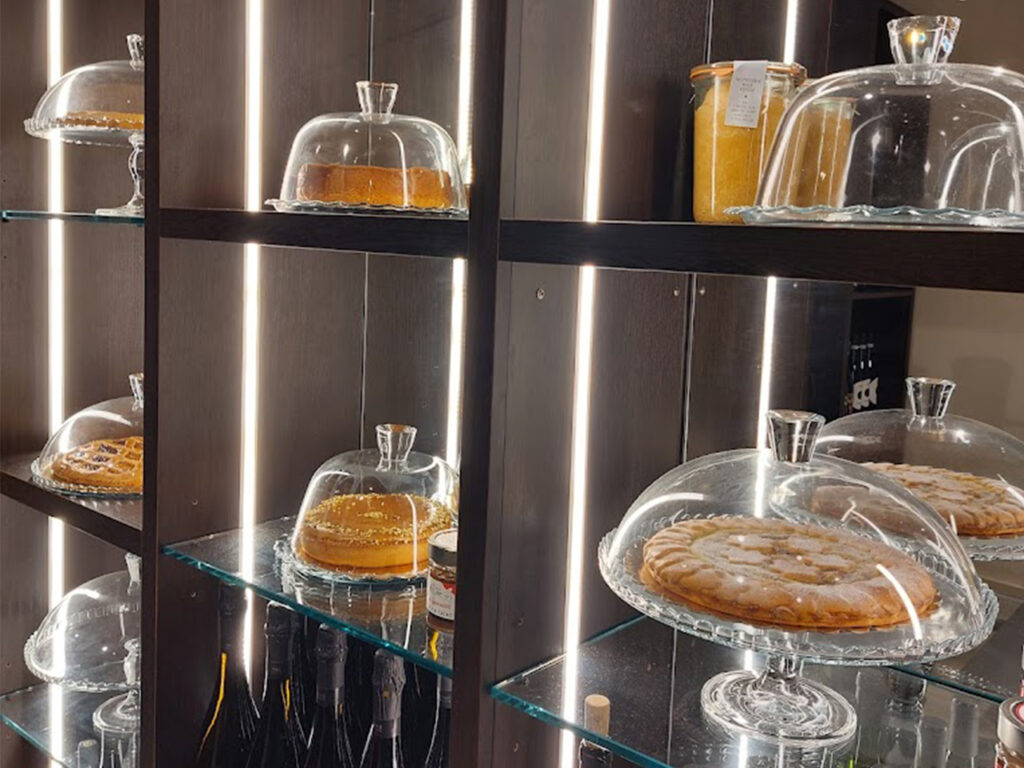
While visiting Ostra Vetere, you can take a break at the village's bars, perhaps starting with a coffee or a sweet stop at Bar Contini or Bar Pasticceria Mille Voglie, both located in the heart of the historic center. For those who want to enjoy traditional Marche dishes, Agriturismo Le Muracce is an ideal choice, thanks to its authentic cuisine and atmosphere immersed in the surrounding rural landscape.
-
Bar Contini
Piazza della Libertà, 60010 Ostra Vetere AN , Ostra Vetere, Ancona, 60010 - Tel: 377 287 5874 -
Mille Voglie
Contrada Santa Croce, 15, 60010 Ostra Vetere AN 15, Ostra Vetere, Ancona, 60010 - Tel: 379 284 9970
More info
Categories
Itinerario
Ostra Vetere Digital - CUP J19B25000010002 - Questo intervento è stato realizzato con il contributo DI 45.000€ dell’Unione europea Bando POR FESR Marche 2021-2027 - Asse 1 - Azione 1.2.2 - Int. 1.2.2.2 Bando per “Servizi digitali integrati”